Sponsored

GM follows Ford with NACS Tesla charge port adoption -- time to ditch CCS1 (at least the physcial design)

OP
OP
daveo4EV

daveo4EV

Well-Known Member
First Name
David
Joined
Jan 28, 2019
Threads
192
Messages
7,008
Reaction score
10,480
Location
Santa Cruz
Vehicles
Cayenne Hybrid, 911(s) GT3/Convertable
Country flag
Ford and GM announced three separate things - but it's all muddied - in my opinion it helps to rigorously separate the 3 components and deal with them separately…
  1. North American access to the entire Tesla Supercharging network
  2. they are abandoning the CCS physical standard and adopting NACS
  3. software supercharger integration both in-vehicle and app based integration
now these things taken together imply all sorts of thing, but honestly they are separate issues that can be addressed separately if you want to - one does not have to do all of them - one can do only some of them if they want to -but your solution will be "less complete" if you don't take on the whole mess…and the most visible change (NACS) implies #1 and #2 - and frankly once you're doing #2 you might as well do the other 2…

you can do thing #1 with out doing thing #2
and you can do thing #2 with out doing thing #1 (less interesting but technically feasible)
#3 is pointless with out #1 or #2

all that is required IMHO is thing #1 for existing and future North American EV's to be viable (Porsche in particular)

thing #2 actually means that future Ford/GM products will require an Adatper for charging at CCS EA/ChargePoint/EVGo - but that adapter exists today and app access exists today to start charging sessions - so people are less freaked out…

I believe only thing #1 is required for future EV sales from competitors - you can separate a decision on thing #2 from your solution to thing #1…

but thing #1 is minimum standards going forward - either by Tesla's grace or Porsche' negotiation skills…not having thing #1 makes the car very very much less desirable for new/used sales.

this is not VHS vs. Betamax - this s USB-C (CCS) vs. AppleLightening Connector(NACS) - and Ford/GM's announcement would be like Samsung/Sony announcing they are ditching USB-C on their cell phones…but that will never happen - because USB-C doesn't suck and Lightening was never really an option…

I want thing #1 - and eventually thing #2 will probably happen because Tesla/Ford/GM…but honestly they are two separate issues, but can be easily entangled.
Sponsored

 
Last edited:
slothinker

Well-Known Member
First Name
Todd
Joined
Mar 31, 2022
Threads
14
Messages
462
Reaction score
235
Location
San Luis Obispo, CA
Vehicles
Taycan RWD, Toyota MR2, Ioniq6
Country flag
yes - EV's with out supercharger access in North American in the 2024/2025 time frame will be at a severe disadvantage in the new/used car markets when Ford/GM/Tesla all are shipping supercharger enabled vehicles (either via Adatper or native NACS ports + software access).

Ford/GM just made supercharger network access "table stakes" to effectively sell an EV in North America for 2024 and beyond.

CCS only vehicle's will be at a disadvantage, one significant enough that it may be unviable.

but time will tell on this.
Right, so I don't see Porsche going one way and VW, Audi going another. Option #3 sounds right and, frankly, I can't wait b.c. EA is too few, too far between and too unreliable to carry EV technology forward. And I strongly dislike CCS ... very, very awkward to use even under the best conditions.
 
OP
OP
daveo4EV

daveo4EV

Well-Known Member
First Name
David
Joined
Jan 28, 2019
Threads
192
Messages
7,008
Reaction score
10,480
Location
Santa Cruz
Vehicles
Cayenne Hybrid, 911(s) GT3/Convertable
Country flag
Ford and GM announced three separate things - but it's all muddied - in my opinion it helps to rigorously separate the 3 components and deal with the separately…
  1. North American access to the entire Tesla Supercharging network
  2. they are abandoning the CCS physical standard and adopting NACS
  3. software supercharger integration both in-vehicle and app based integration
now these things taken together imply all sorts of thing, but honestly they are separate issues that can be addressed separately if you want to - one does not have to do all of them - one can do only some of them I you like -but your solution will be "less complete" if you don't take on the whole mess…and the most visible change (NACS) implies #1 and #2 - and frankly once you're doing #2 you might as well do the other 2…

you can do thing #1 with out doing thing #2
and you can do thing #2 with out doing thing #1 (less interesting but technically feasible)
#3 is pointless with out #1 or #2

all that is required IMHO is thing #1 for existing and future North American EV's to be viable (Porsche in particular)

thing #2 actually means that future Ford/GM products will require an Adatper for charging at CCS EA/ChargePoint/EVGo - but that adapter exists today and app access exists today to start charging sessions - so people are less freaked out…

I believe only thing #1 is required for future EV sales from competitors - you can separate a decision on thing #2 from your solution to thing #1…

but thing #1 is minimum standards going forward - either by Tesla's grace or Porsche' negotiation skills…not having thing #1 makes the car very very much less desirable for new/used sales.

this is not VHS vs. Betamax - this s USB-C (CCS) vs. AppleLightening Connector(NACS) - and Ford/GM's announcement would be like Samsung/Sony announcing they are ditching USB-C on their cell phones…but that will never happen - because USB-C doesn't suck and Lightening was never really an option…

I want thing #1 - and eventually thing #2 will probably happen because Tesla/Ford/GM…but honestly they are two separate issues, but can be easily entangled.
the fact that Ford and GM did not stop at just #1, but they are doing the other items as well I believe speaks volumes about their confidence in the long term viability of CCS as a physical design standard and it suitability for the task at hand (again I'm betting Ford had lots of data on this topic given their charging angel's effort)…again "read the room" on this announcement - CCS is dead in North America as a physical plug standard - but may live on as a charging/protocol standard that can be executed over a NACS connector…

I see no reason for CCS as a charging protocol to go away - and I believe the two can happily co-exist on the same connector and via adapters (your 2026 Ford MachE can/should be able to charge at an EA site via a CCS adapter). Frankly I don't know why a customer should care what protocol my charge station/EV have negotiated - as long as I plug it in and electrons flow to the battery as fast as possible.

CCS is not dead as a charging standard - but the associate/assume/implied physical plug shape is most likely now "legacy" and transition will need to occur…and this is a good thing - because the ergonomics and reliability of the design of the CCS plug is horrible and there are least two better existing alternatives in the supply chain: Euro-Pllug and NACS - both of which offer improvements over CCS 1 in North America.

NOTE: some EVGo stations already have effectively an NACS cable - but they achieved it by essentially gluing the Tesla CCS adapter onto the end of their existing CCS cables - LOL. - so for some EVGo sites they are already "adopting" NACS as an alternative cable connector and have been since 2020…so they were ahead of the game here.

https://www.evgo.com/blog/charging-your-tesla-just-got-even-easier-with-evgo-autocharge/
 
Last edited:

GoDucksYellO

Well-Known Member
First Name
Matt
Joined
Jan 21, 2019
Threads
2
Messages
91
Reaction score
63
Location
Creswell, OR
Vehicles
2021 Taycan 4S, Silverado 2500HD
Country flag
My understanding is that if you didn't option the 400V DC charger in your car the Telsa Super Chargers are irrelevant, and you want Electrify America and the CSS1 standard to stay viable for the life of the car to leverage the 800V DC charger that came standard in the car.
 

whitex

Well-Known Member
Joined
Jul 30, 2021
Threads
87
Messages
8,227
Reaction score
7,255
Location
WA, USA
Vehicles
2023 Taycan TCT, 2024 Q8 eTron P+
Country flag
They'll probably adapt to the market just like they're doing now. US Taycans don't have the same connectors as Europe Taycans. They'll probably come up with a half baked solution for the US market to keep selling cars. That is if NACS really takes over.

I'm still not convinced tbh. There was a reason why the EU went with CCS2 and why so much hassle with cooling cables etc. Can't be just "We want to make a big bulky plug albeit we know that an izzy tiny uncooled, passive, vacuum cleaner like, plug will do the job the same".
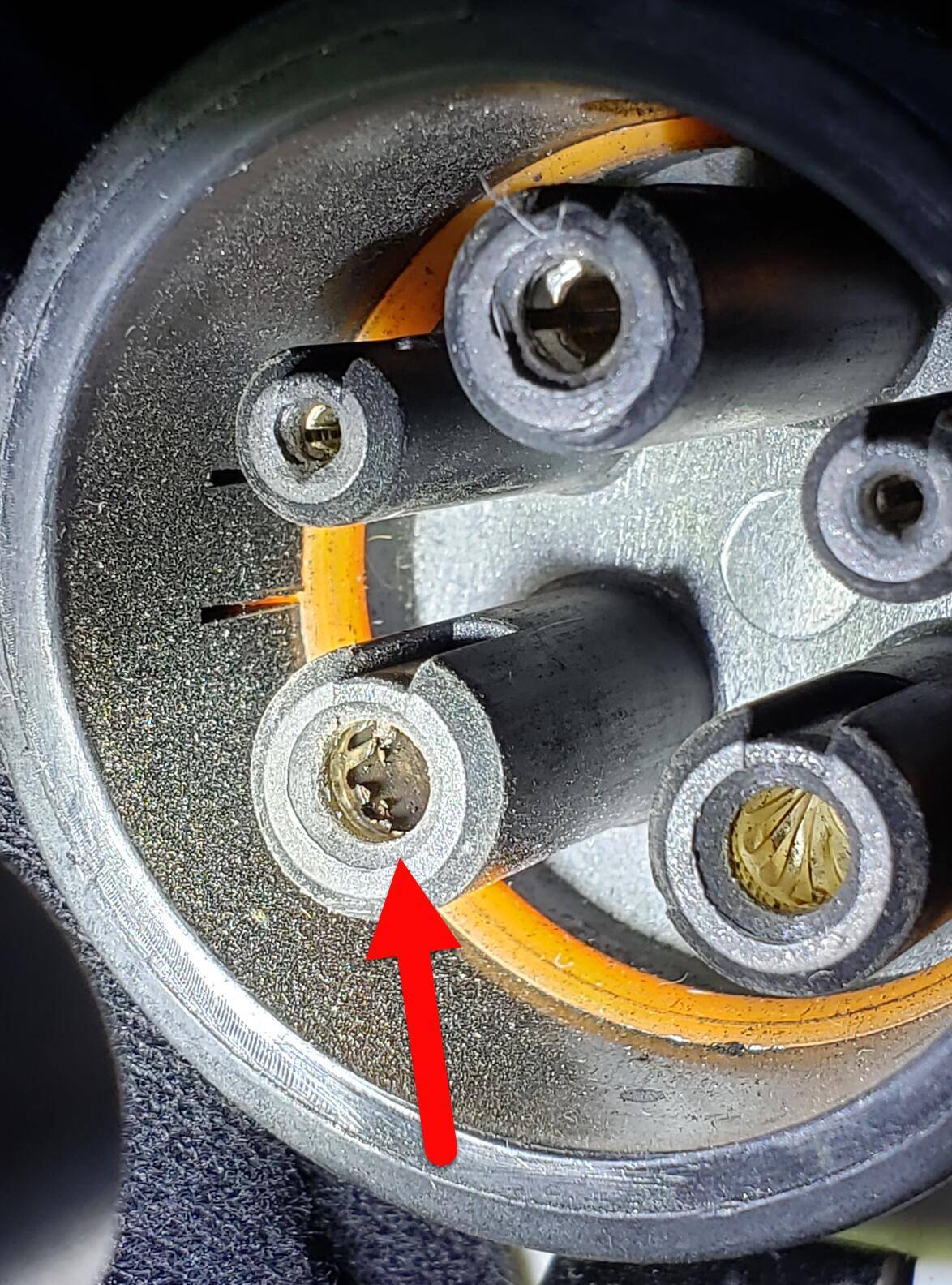
I suspect the reason was a large "design by committee" among not just a bunch of people in one corporation, but multiple corporations. The end result is usually what I like to call a "great compromise", where everyone's contributions must be reflected, but nobody really feels ownership or pride for the whole result. Just look at the comparisons between the two solutions, the locking button for example is a disaster on the J1772/CCS. That design is so poor, allows for accidental misuse which results in burned out charging pins like this (compare the AC pin on the left to the one on the right).
Porsche Taycan GM follows Ford with NACS Tesla charge port adoption -- time to ditch CCS1 (at least the physcial design) 1686334868772

Taycan (and others) went around it by adding a dedicated button on the car and a locking mechanism on the car. NACS has one button, which opens the charge door too (wirelessly), and locking is only on the car side so no moving parts on the handle, plus no way to remove the connector while current still on because the car controls it (the car controls the current draw in J1772, hence it makes sense that it would control the locking of the handle).

Tesla a dictator driven design where Elon himself was making the decisions, which make is it not only quicker, but avoids the "great compromise". The risk of the latter of course is that the result is only as good as the dictator, but Elon really did pick some really gifted engineers for Tesla, especially in the early days. He burned them out in 1-2 years, but I know a few, and they all say it that working for Tesla was best engineering experience ever, which they never want to do again.

PS> A good example of a design by committee great compromise I like to give was a window manager open source project which needed to decide whether the "close window" icon should be on the top left like Macs or top right like Windows PC's. They took a poll and 57% of the community wanted it on the right. Someone actually suggested the fair, democratic design would be to place it slightly off-center, 7% to the right of the middle, to reflect the vote outcome. The maintainer was sane enough not to do that, but that is what I think of a lot of times when I see the great compromise designs.
 
Last edited:


OP
OP
daveo4EV

daveo4EV

Well-Known Member
First Name
David
Joined
Jan 28, 2019
Threads
192
Messages
7,008
Reaction score
10,480
Location
Santa Cruz
Vehicles
Cayenne Hybrid, 911(s) GT3/Convertable
Country flag
My understanding is that if you didn't option the 400V DC charger in your car the Telsa Super Chargers are irrelevant, and you want Electrify America and the CSS1 standard to stay viable for the life of the car to leverage the 800V DC charger that came standard in the car.
not irrelevant - just slower than it needs to be - limited to 50 kW max charge speed vs. 150 kW with the $460 400V/150 kW option - CCS is not viable due to ergonomic design issues, and Tesla/Ford/GM being NACS based (top 3 EV vendors in North America) will make the existing CCS plug design "legacy"

CCS charging standard will remain relevant but it will be via an Adapter or actual NACS plug.

EA/Chargepoint/EVGO will have to provide NACS compatibility for their stations…but if all vendors go to the NACS plug standard in 2025-2030 you'll need NACS cables at charging stations and "legacy" CCS vehicle's will have to have an adapter.

but Porsche was mistaken to even expose this as an option on a $100K+ flagship EV vehicle - this option should be standard and not even a consumer level decision…and given it's retail price of $460 it's actual cost difference is inconsequential in their supply chain…this is a confusing option and degrades the experience if people are not savvy about what it is they are optioning - end users should be making 400V 800V decisions - that's an engineering decision and no bearing on ownership experience.

also I've been at 800V charging stations and know for a fact that for some reason the car and the station negotiated a 400V charging session even though both can do 800V - the point is this is not a vehicle owner decision and the car/charging station always negotiate what actual charging is going to happen - 800V is the maximum the vehicle supports, not the mandated - it actually supports a wide range of voltage and amps - it has to - this stuff is variable.

drive to this location https://www.plugshare.com/location/163319

and plug in your Taycan - and even though it's a 800V charging station you might get a 400V charging session - so yeah this really isn't a consumer level decision nor one you should be aware of - Porsche oversold the 800v tech - at the end of the day it's an engineering decision for which the user has no control/choice - what you want is to plug into a DC fast charging station and charge as fast as possible...that is all that matters.

Tesla can do 250 kW on a 400V standard (v3 stations do this) - so yeah it honestly doesn't matter -but yes 800V should be supported going forward, but 400V is never going away and required for compatibility existing fast charging stations (most of which are slower than 100 kW).

Porsche exposing this option to their customers would be like allowing the choice as to what voltage they are running their spark plugs on for ignition timing - yeah it makes an engineering difference but honestly this is not an end user decision - just "do the right thing" - and the right thing is to charge as fast as possible always for both 400V and 800V charging standards.

it should not be an option.
 
Last edited:

DRR

Well-Known Member
First Name
Don
Joined
Mar 13, 2019
Threads
1
Messages
96
Reaction score
68
Location
Pittsburgh PA
Vehicles
2022 Taycan 4S, 2021 Model Y Performance
Country flag
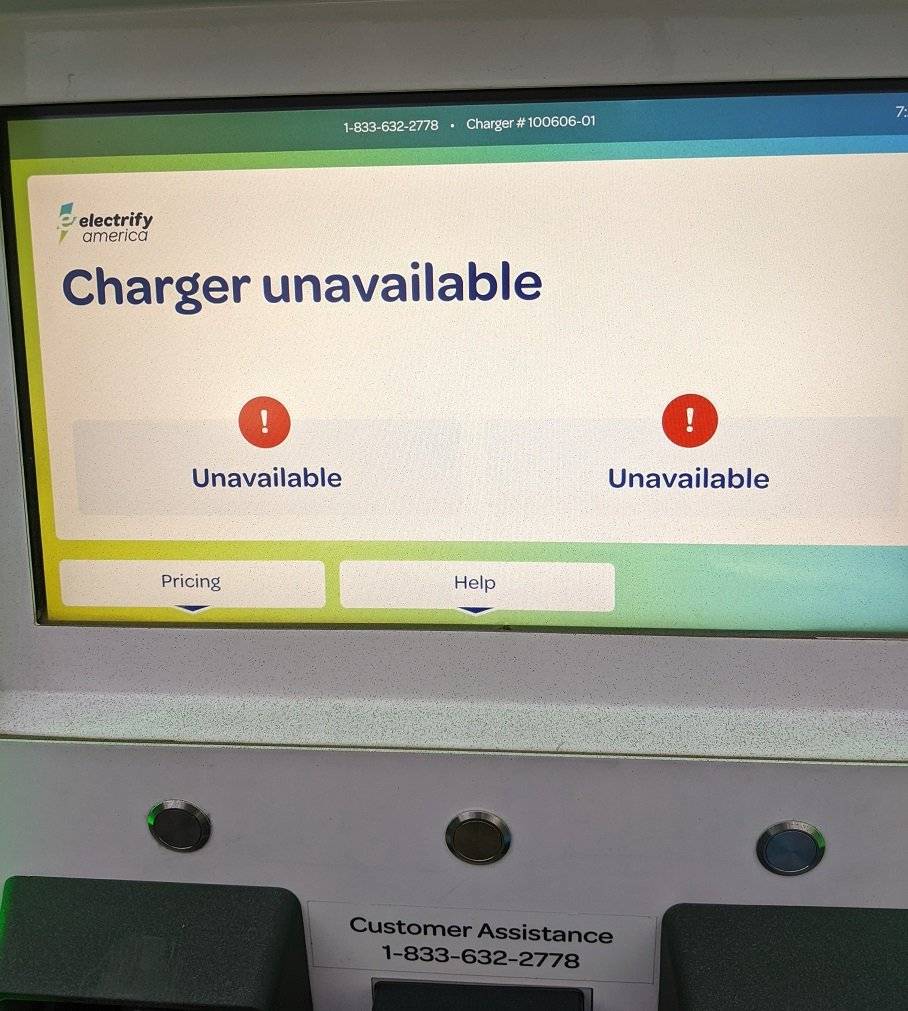
let your dealer know you care about this - we need to provide PCNA with clear and overwhelming feedback that EA sucks and we want an access to the Supercharger network like Ford/GM have negotiated and an adapter made available.

https://www.taycanforum.com/forum/t...cess-request-sample-letter.16090/#post-247201

the native NACS port is _NOT REQUIRED_ here - we simply need a few things:
  • negotiated access to the entire network (like Ford/GM have for their customers)
  • an adapter for our existing CCS vehicles (like Ford/GM)
  • an app to start/stop sessions at Superchargers (Tesla's app or otherwise)
that is the minimum requirements and frankly would be sufficient FOREVER - anything beyond that is ego/marketing/messaging

the above 3 things are 100% functional and feasible by 2024 if PCNA cares to indulge us.

write your letters to your Sales associates, service manager, and make sure to request PCNA is informed on your message and that future EV purchases in North America supercharger access is as important as anything.

the NACS port is not required and can be 100% avoided - separate the two issues

I'm not requesting a NACS port - I don't care - I want: Access, Adapter, AppActivation (the 3 A')

we need AAA:
  • Access to the Supercharger Network
  • Adapter for the Supercharger Network
  • Appbased Activation for the Supercharger Network
and we'll all be good.
I emailed the GM at my Dealer and linked this thread. He responded immediately saying: "I will push this to Porsche!!!!! Thank you for sharing!". Maybe if we all do this it will convince them to move quickly on your suggestions above.
 

GoDucksYellO

Well-Known Member
First Name
Matt
Joined
Jan 21, 2019
Threads
2
Messages
91
Reaction score
63
Location
Creswell, OR
Vehicles
2021 Taycan 4S, Silverado 2500HD
Country flag
not irrelevant - just slow - limited to 50 kW max charge speed vs. 150 kW with the $460 400V/150 kW option - CCS is not viable due to ergonomic design issues, and Tesla/Ford/GM being NACS based (top 3 EV vendors in North America) will make the existing CCS plug design "legacy"

CCS charging standard will remain relevant but it will be via an Adapter or actual NACS plug.

EA/Chargepoint/EVGO will have to provide NACS compatibility for their stations…but if all vendors go to the NACS plug standard in 2025-2030 you'll need NACS cables at charging stations and "legacy" CCS vehicle's will have to have an adapter.

but Porsche was mistaken to even expose this as an option on a $100K+ flagship EV vehicle - this option should be standard and not even a consumer level decision…and given it's retail price of $460 it's actual cost difference is inconsequential in their supply chain…this is a confusing option and degrades the experience if people are not savvy about what it is they are optioning - end users should be making 400V 800V decisions - that's an engineering decision and no bearing on ownership experience.

also I've been at 800V charging stations and know for a fact that for some reason the car and the station negotiated a 400V charging session even though both can do 800V - the point is this is not a vehicle owner decision and the car/charging station always negotiate what actual charging is going to happen - 800V is the maximum the vehicle supports, not the mandated - it actually supports a wide range of voltage and amps - it has to - this stuff is variable.

drive to this location https://www.plugshare.com/location/163319

and plug in your Taycan - and even though it's a 800V charging station you might get a 400V charging session - so yeah this really isn't a consumer level decision nor one you should be aware of - Porsche oversold the 800v tech - at the end of the day it's an engineering decision for which the user has no control/choice - what you want is to plug into a DC fast charging station and charge as fast as possible...that is all that matters.

Tesla can do 250 kW on a 400V standard (v3 stations do this) - so yeah it honestly doesn't matter -but yes 800V should be supported going forward, but 400V is never going away and required for compatibility existing fast charging stations (most of which are slower than 100 kW).
I agree but the decision was made when the expectation was that Telsa would remain a closed system. Speed of charging was one of the main selling points of this car versus my previous EVs. I think everyone jumping on the Telsa bandwagon is a limited vision that will only profit Telsa and put the other manufacturers at a disadvantage of a lost revenue stream from charging. Now Telsa will control the cost of electricity for EVs for the foreseeable future. The lines will grow at the charging stations that charge at a slower rate than could have been required.

I would have rather they all adopted the CSS2 standard the same as Europe and created more charging competition. The US bill should have included that requirement.


OP
OP
daveo4EV

daveo4EV

Well-Known Member
First Name
David
Joined
Jan 28, 2019
Threads
192
Messages
7,008
Reaction score
10,480
Location
Santa Cruz
Vehicles
Cayenne Hybrid, 911(s) GT3/Convertable
Country flag
I agree but the decision was made when the expectation was that Telsa would remain a closed system. Speed of charging was one of the main selling points of this car versus my previous EVs. I think everyone jumping on the Telsa bandwagon is a limited vision that will only profit Telsa and put the other manufacturers at a disadvantage of a lost revenue stream from charging. Now Telsa will control the cost of electricity for EVs for the foreseeable future. The lines will grow at the charging stations that charge at a slower rate than could have been required.

I would have rather they all adopted the CSS2 standard the same as Europe and created more charging competition. The US bill should have included that requirement.
going this route does not preclude continued support for other standards - but denying me access to the best charging network in North America seems anti-customer focused - and so far with supercharger access in Europe it's not handing everything to Tesla

this is not an all or nothing affair - software on these vehicles can support a wide range of charging - and I don't know why anyone is defending a mostly failed CCS 1 network in North America - it's not any good and it's not going to get better unless things are disrupted…

supporting Tesla supercharger (which the Taycan already does) will not prevent Porsche from pursuing other choices…

I also fail to understand why anyone is opposed to the _OPTION_ to use Tesla network - it's not a requirement and you could still use EA - if you can get it work. We're not dropping support for CCS/EA/Other's - we are adding support for supercharging - the two standards can then fight it out on a level playing field…

this is not the goal…

Porsche Taycan GM follows Ford with NACS Tesla charge port adoption -- time to ditch CCS1 (at least the physcial design) EA-Clarksville
 
Last edited:
  • Like
Reactions: DRR

WasserGKuehlt

Well-Known Member
Joined
Sep 7, 2022
Threads
5
Messages
2,066
Reaction score
2,456
Location
WA
Vehicles
4CT, 996C2, MacanS
Country flag
not irrelevant - just slower than it needs to be - limited to 50 kW max charge speed vs. 150 kW with the $460 400V/150 kW option - CCS is not viable due to ergonomic design issues, and Tesla/Ford/GM being NACS based (top 3 EV vendors in North America) will make the existing CCS plug design "legacy"
I've been wondering about this also - would I really miss anything not having access to the NACS fast chargers..

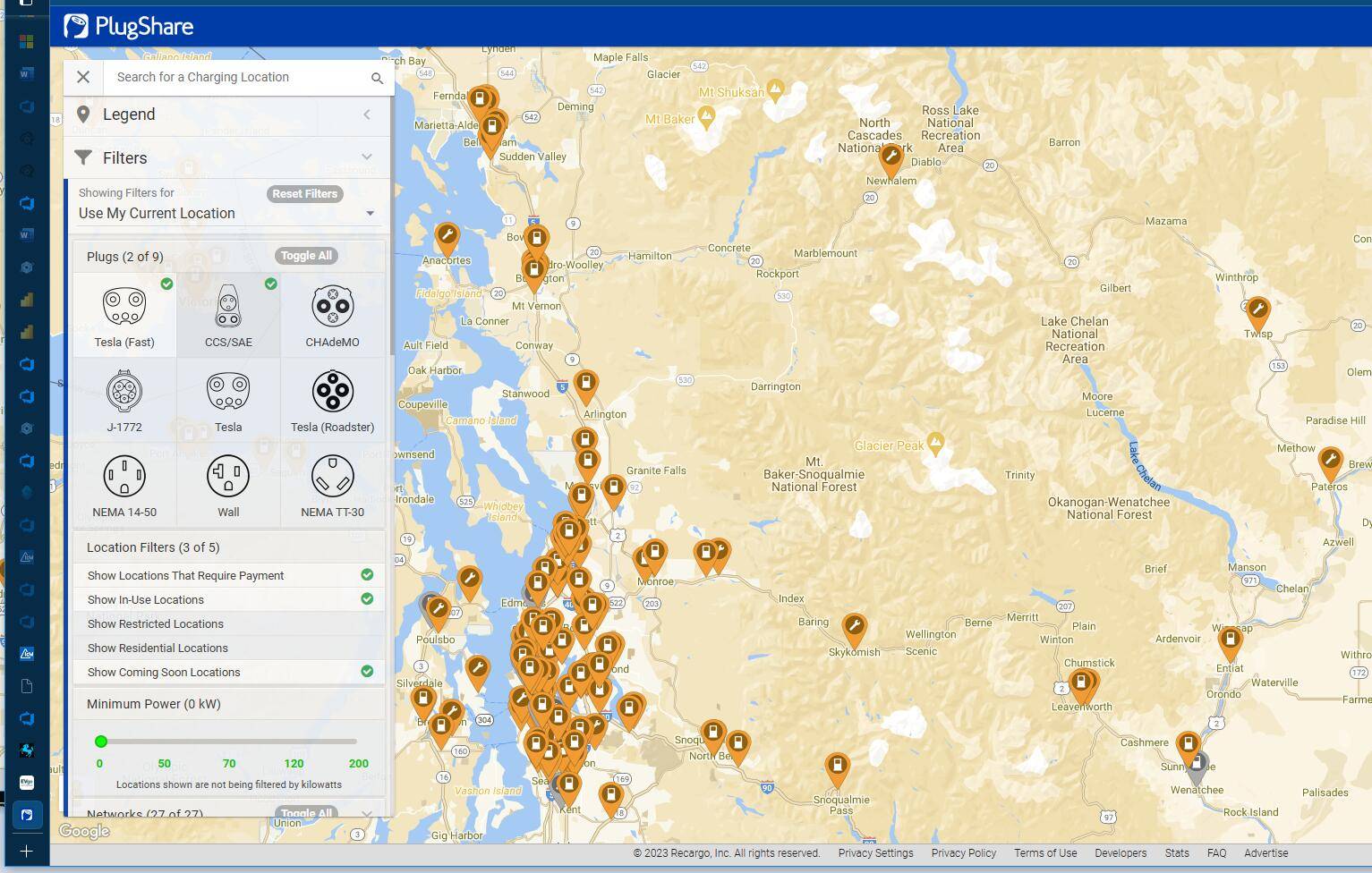
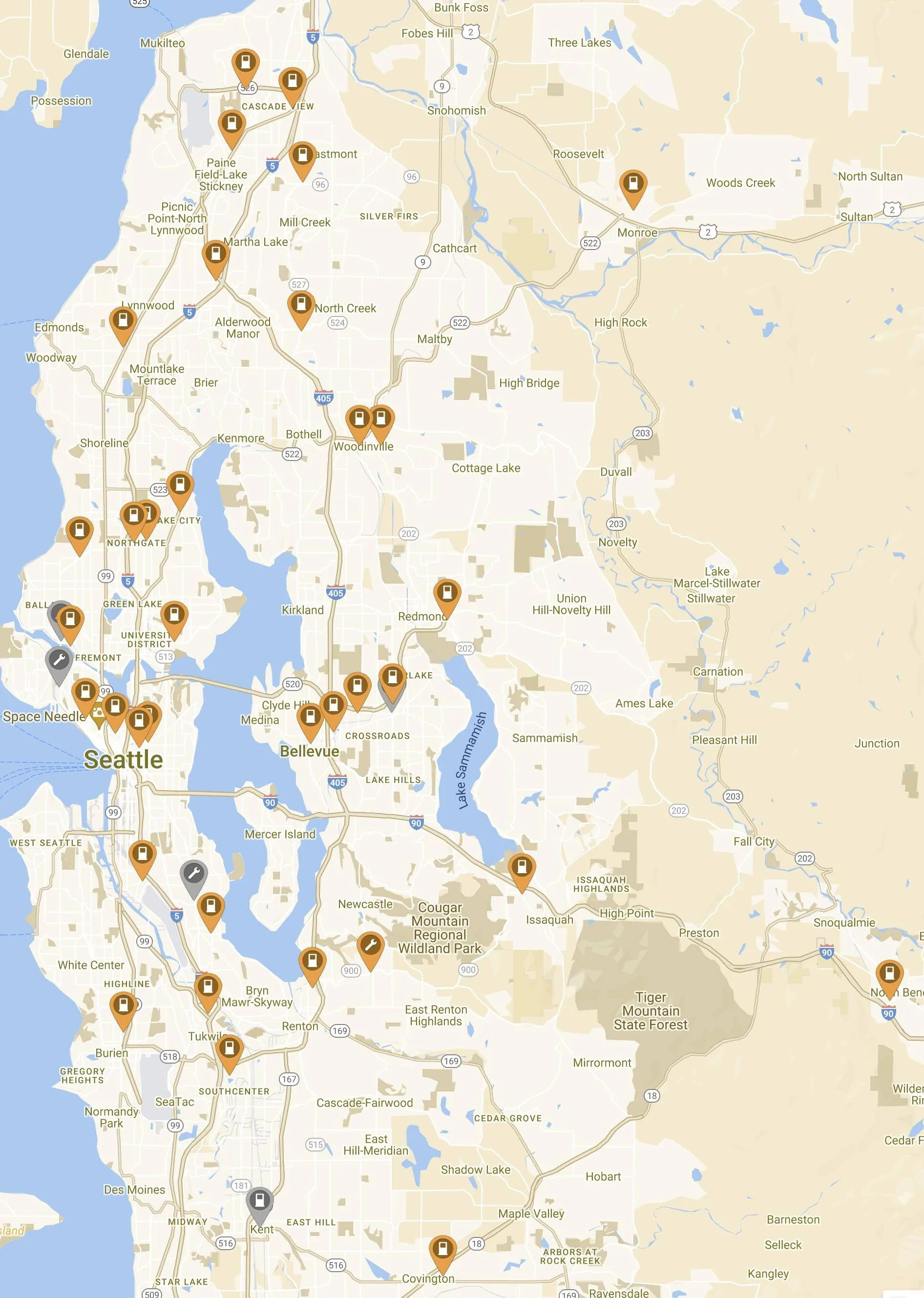
So here are, side by side, fresh from PlugShare and covering my neck of the woods, exhibits:
A - Tesla fast:
Porsche Taycan GM follows Ford with NACS Tesla charge port adoption -- time to ditch CCS1 (at least the physcial design) teslafast


and B - all fast:
Porsche Taycan GM follows Ford with NACS Tesla charge port adoption -- time to ditch CCS1 (at least the physcial design) all_fast


Umm. Looks like the CCS coverage is better, including planned sites? All I really care about is crossing the Cascades and having options; anywhere else is within civilization's reach and options abound.

(Note, YMWV, this is mine. But it's beginning to look like a storm in a teacup for me personally.)
 
OP
OP
daveo4EV

daveo4EV

Well-Known Member
First Name
David
Joined
Jan 28, 2019
Threads
192
Messages
7,008
Reaction score
10,480
Location
Santa Cruz
Vehicles
Cayenne Hybrid, 911(s) GT3/Convertable
Country flag
I've been wondering about this also - would I really miss anything not having access to the NACS fast chargers..

So here are, side by side, fresh from PlugShare and covering my neck of the woods, exhibits:
crossing the Cascades and having options; anywhere else is within civilization's reach and options abound.

(Note, YMWV, this is mine. But it's beginning to look like a storm in a teacup for me personally.)
you have to consider stalls "not" sites - and reliability rating - that data is what is most relevant is not easily shown in that graphic and it would take a while to tease that data out but it could be done…

Ford/GM made an informed decision…I suggest the picture shown above is not the whole story.
 
Last edited:
OP
OP
daveo4EV

daveo4EV

Well-Known Member
First Name
David
Joined
Jan 28, 2019
Threads
192
Messages
7,008
Reaction score
10,480
Location
Santa Cruz
Vehicles
Cayenne Hybrid, 911(s) GT3/Convertable
Country flag
I've been wondering about this also - would I really miss anything not having access to the NACS fast chargers..

So here are, side by side, fresh from PlugShare and covering my neck of the woods, exhibits:

Umm. Looks like the CCS coverage is better, including planned sites? All I really care about is crossing the Cascades and having options; anywhere else is within civilization's reach and options abound.

(Note, YMWV, this is mine. But it's beginning to look like a storm in a teacup for me personally.)
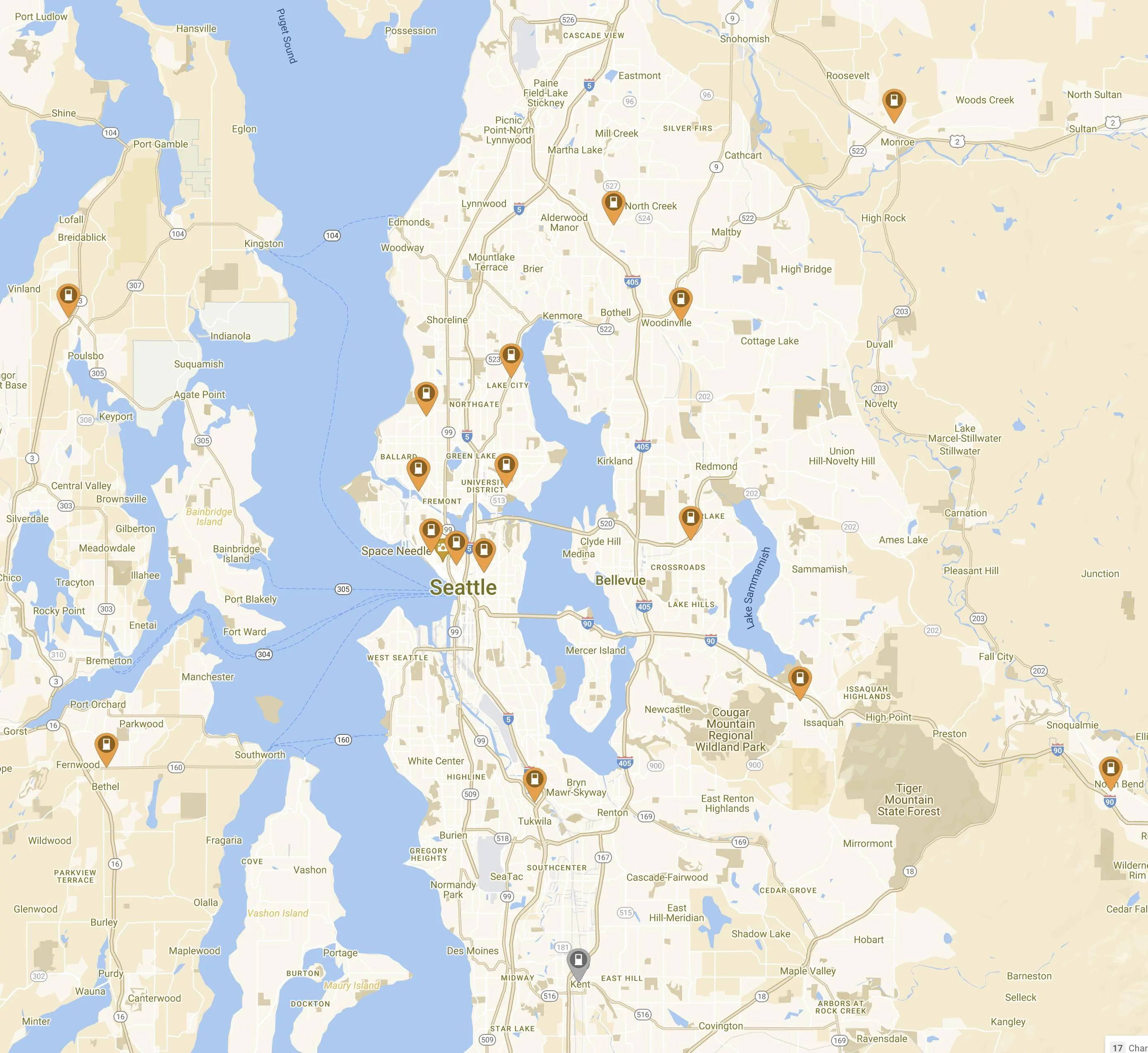
same picture but I've removed all the 50 kW CCS stations…far less installed…

and if you drill down on these sites a LOT of them have horrible check-in reliability ratings…so those sites need to be removed as well…


Porsche Taycan GM follows Ford with NACS Tesla charge port adoption -- time to ditch CCS1 (at least the physcial design) Screenshot 2023-06-09 at 11.56.59 AM
 
Last edited:
OP
OP
daveo4EV

daveo4EV

Well-Known Member
First Name
David
Joined
Jan 28, 2019
Threads
192
Messages
7,008
Reaction score
10,480
Location
Santa Cruz
Vehicles
Cayenne Hybrid, 911(s) GT3/Convertable
Country flag
I've been wondering about this also - would I really miss anything not having access to the NACS fast chargers..

Umm. Looks like the CCS coverage is better, including planned sites? All I really care about is crossing the Cascades and having options; anywhere else is within civilization's reach and options abound.

(Note, YMWV, this is mine. But it's beginning to look like a storm in a teacup for me personally.)
here is the same location with two filters (>70 kW) and reliability rating of >=8…

Porsche Taycan GM follows Ford with NACS Tesla charge port adoption -- time to ditch CCS1 (at least the physcial design) Screenshot 2023-06-09 at 11.58.16 AM
 
Last edited:
OP
OP
daveo4EV

daveo4EV

Well-Known Member
First Name
David
Joined
Jan 28, 2019
Threads
192
Messages
7,008
Reaction score
10,480
Location
Santa Cruz
Vehicles
Cayenne Hybrid, 911(s) GT3/Convertable
Country flag
I've been wondering about this also - would I really miss anything not having access to the NACS fast chargers..

So here are, side by side, fresh from PlugShare and covering my neck of the woods, exhibits:


Umm. Looks like the CCS coverage is better, including planned sites? All I really care about is crossing the Cascades and having options; anywhere else is within civilization's reach and options abound.

(Note, YMWV, this is mine. But it's beginning to look like a storm in a teacup for me personally.)
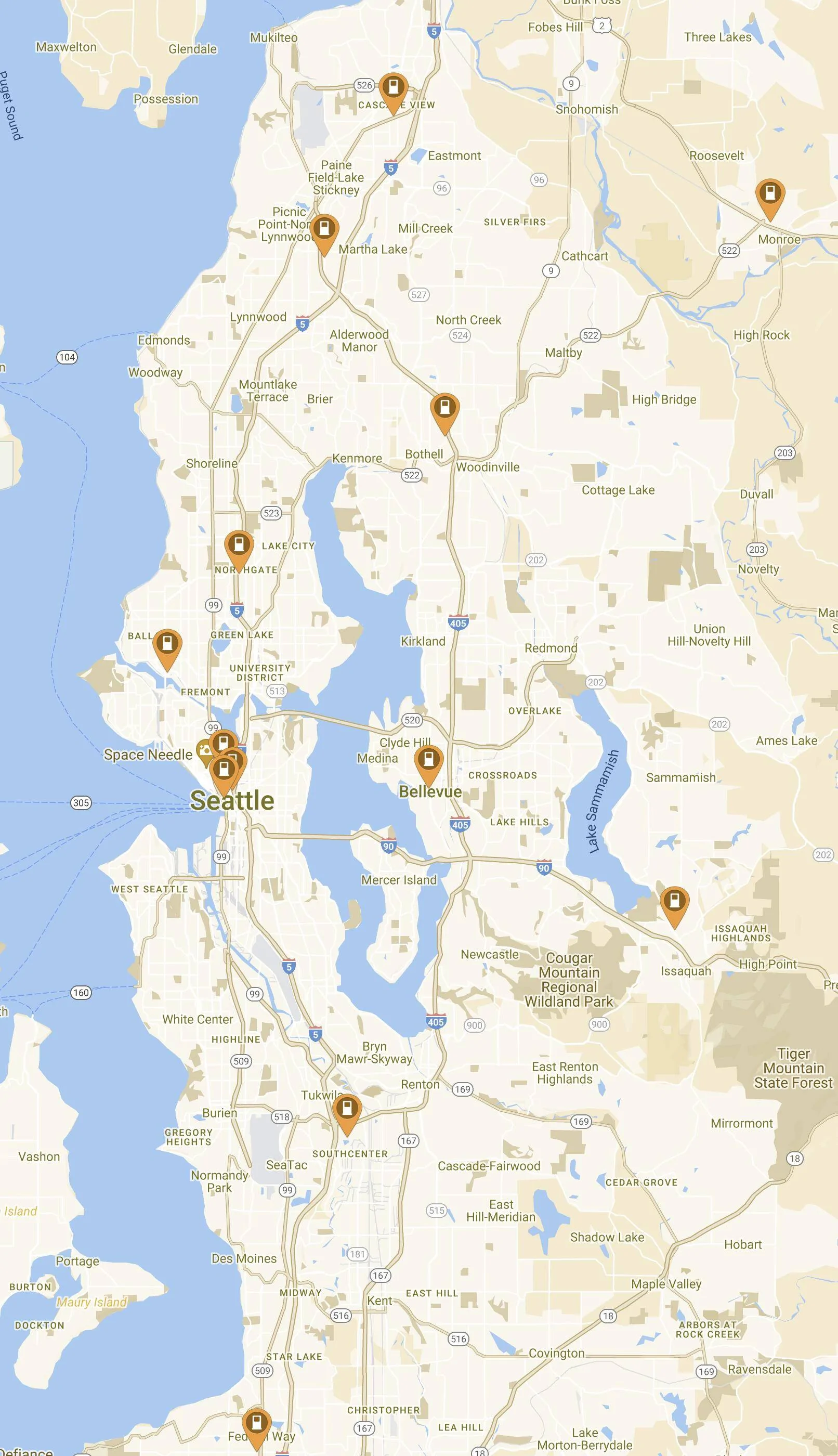
here is superchargers >70kW and reliability rating >8

Porsche Taycan GM follows Ford with NACS Tesla charge port adoption -- time to ditch CCS1 (at least the physcial design) Screenshot 2023-06-09 at 12.00.13 PM
 
Last edited:

WasserGKuehlt

Well-Known Member
Joined
Sep 7, 2022
Threads
5
Messages
2,066
Reaction score
2,456
Location
WA
Vehicles
4CT, 996C2, MacanS
Country flag
same picture but I've removed all the 50 kW CCS stations…far less installed…

and if you drill down on these sites a LOT of them have horrible check-in reliability ratings…so those sites need to be removed as well…


Screenshot 2023-06-09 at 11.56.59 AM.png
I get the point, Dave, and unfortunately for me the fastest Tesla SuperCharger would be a 50kW equivalent (I haven't optioned my car for that eventuality). And again, all I need is the option of charging at a "faster than overnight" rate. No disagreement on the reliability aspect, but so far I've been lucky.
Sponsored


Top