TDinDC
Well-Known Member
- Joined
- Jun 25, 2022
- Threads
- 21
- Messages
- 1,066
- Reaction score
- 1,277
- Location
- Washington, DC, USA
- Vehicles
- '22 Taycan 4S Cross Turismo, '06 Club Coupe (#48)

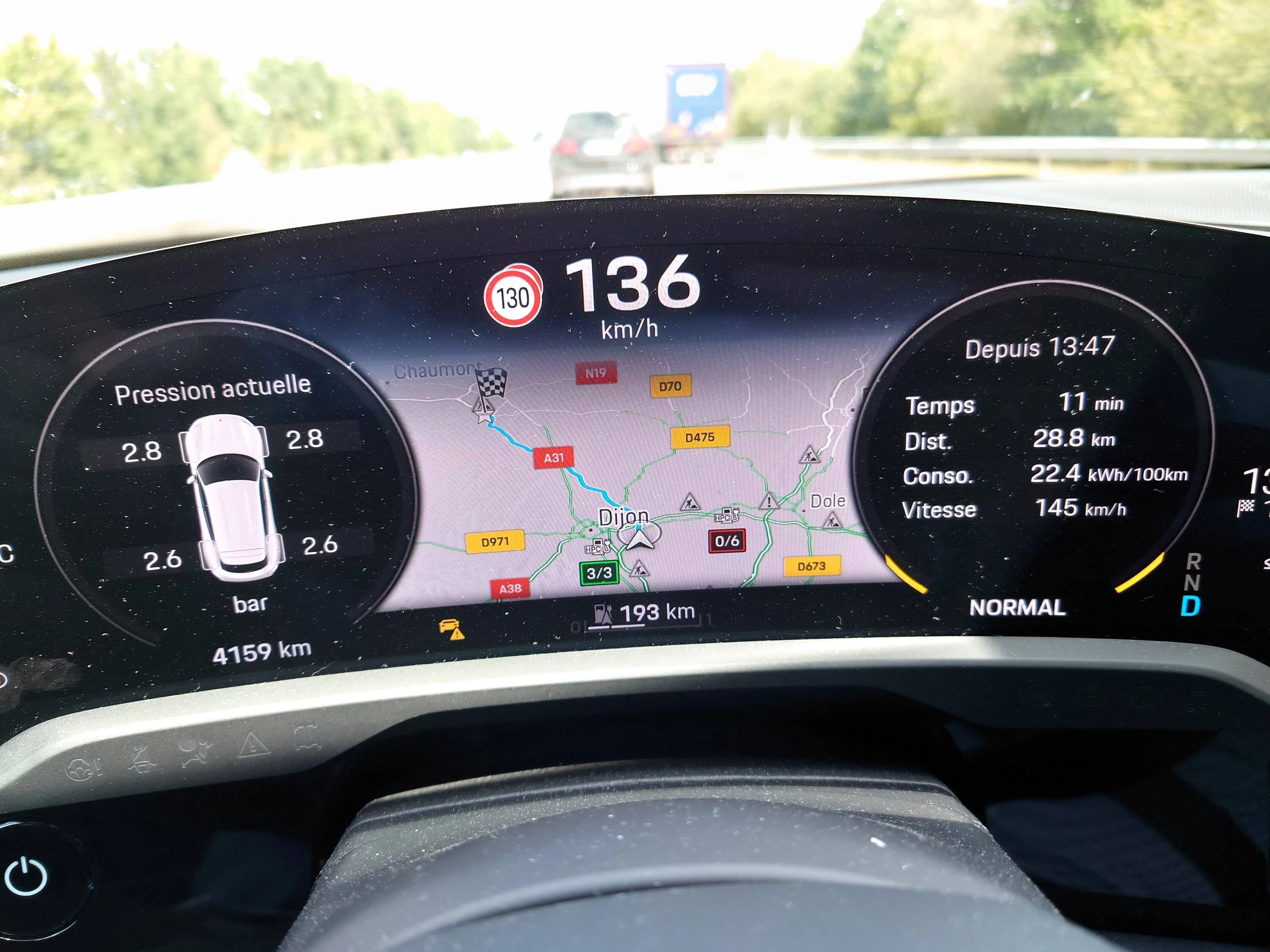
Yes, I was thinking this likely was one of the reasons. I was also wondering whether the air resistance coefficient is actually always constant across all velocities. I mean, it would not be if you have active aero features (e.g., GT3 RS), but could engineers optimize aero for a specific design velocity such that it is not necessarily optimized for slower or faster speeds? I understand that, absent active aero features, you probably could not get big enough variations to come near the impact of velocity since it is squared, but still interesting and it could change the user's perception of the impact of velocity (I mean, it would just be less efficient at lower speeds so you wouldn't notice the impact of velocity as you increase into the optimized zone for aero). I just think it would be awesome to have active aero features designed to decrease the impact of air resistance deploy automatically when you use range mode (e.g., wheel covers, splitters and dive planes)The difference in the power consumption you are seeing may result from where you are measuring the power. For the system as whole P = F * v where P is the power in watts, F is the total drag force and v is the velocity. For similar cars, this should be similar. But if your power is measured as the draw from the battery for a given speed, P = V * A, then different motors and drive trains will use different amounts of power to achieve the same speed even if the cars have similar aero.
Sponsored
Last edited: