Tooney
Well-Known Member
- Joined
- Aug 14, 2021
- Threads
- 746
- Messages
- 4,466
- Reaction score
- 3,647
- Location
- Ohio
- Vehicles
- 2022 Taycan 4S

- Thread starter
- #1
Here’s Huawei’s claim:
But, as usual, reality is hiding out in the fine print, ducking the spotlight while the PR machine does its victory lap. Nobody wants to talk about physics. Nobody asks how, exactly, you’re supposed to pour Niagara Falls through a garden hose.
Let’s start with the chemistry, because that’s what gets the headlines. Huawei, CATL, BYD, and every battery startup with a logo and a LinkedIn page are racing to show off lab results with solid electrolytes, nitrogen-doped sulfide electrodes, and energy densities that would make a Tesla blush. Yes, it’s impressive. Yes, it’s real science. Yes, the batteries likely exist, even if only in lab versions.
But chemistry is only half the story—the easy half, frankly. The hard part is what comes after: getting all that energy in and out of the battery without melting the neighborhood. Let’s do some back-of-the-envelope math, my favorite kind.
. . .
Charging a 600 kWh battery in 5 minutes isn’t a “nice to have” kind of deal. It’s a “requires the power output of a small hydroelectric dam” situation.
Energy equals power multiplied by time. So: 600 kWh divided by (5/60) hours is 7,200 kW—7.2 megawatts—per car. That’s not a typo. MEGAwatts. Per car. That’s the kind of load that would make your local substation break out in hives.
And it’s not just the grid. You’ll need:
Huawei, the Chinese technology giant, has recently made waves in the electric vehicle (EV) industry with claims of a groundbreaking solid-state battery that could redefine the future of transportation.
According to reports from TechRadar, Huawei asserts that this new battery technology can deliver an astonishing range of up to 1,800 miles on a single charge while achieving a full recharge in under five minutes. If verified, these specifications could position Huawei as a formidable player in the EV battery race, challenging established leaders like Tesla, BYD, and CATL.
But, as usual, reality is hiding out in the fine print, ducking the spotlight while the PR machine does its victory lap. Nobody wants to talk about physics. Nobody asks how, exactly, you’re supposed to pour Niagara Falls through a garden hose.
Let’s start with the chemistry, because that’s what gets the headlines. Huawei, CATL, BYD, and every battery startup with a logo and a LinkedIn page are racing to show off lab results with solid electrolytes, nitrogen-doped sulfide electrodes, and energy densities that would make a Tesla blush. Yes, it’s impressive. Yes, it’s real science. Yes, the batteries likely exist, even if only in lab versions.
But chemistry is only half the story—the easy half, frankly. The hard part is what comes after: getting all that energy in and out of the battery without melting the neighborhood. Let’s do some back-of-the-envelope math, my favorite kind.
. . .
Charging a 600 kWh battery in 5 minutes isn’t a “nice to have” kind of deal. It’s a “requires the power output of a small hydroelectric dam” situation.
Energy equals power multiplied by time. So: 600 kWh divided by (5/60) hours is 7,200 kW—7.2 megawatts—per car. That’s not a typo. MEGAwatts. Per car. That’s the kind of load that would make your local substation break out in hives.
And it’s not just the grid. You’ll need:
- High-voltage wiring thicker than your wrist
- Transformers the size of shipping containers
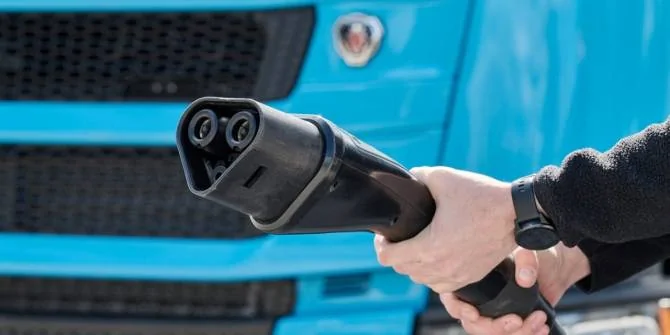
- Power cables with active cooling, or else they’ll melt like a cheap extension cord at a Fourth of July barbecue
- Buffer batteries to keep the grid from doing a faceplant every time someone plugs in their new wonder-car
Sponsored