kmcdonal
Well-Known Member
- Joined
- Dec 6, 2019
- Threads
- 11
- Messages
- 276
- Reaction score
- 324
- Location
- CO
- Vehicles
- Nissan 350Z, Subaru WRX

- Thread starter
- #1
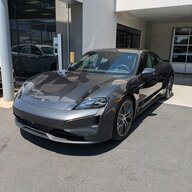
I just wrapped up two years of Level 1 charging, and I am here to say that it can be done (depending on your driving habits). Not only did I charge my Taycan on a 110 volt outlet for 2 years, but I shared that charger between the Taycan and another EV. As well, I only ran my Porsche charger at 50% to reduce the risk of tripping the circuit breaker.
We drive each car about 7-8K miles per year, or about 20 miles per day per car. Much of the time we had one of the two cars charging - we just had to be really diligent about plugging the cars in. One of the things that made it work is that the other EV, a Kia EV6, is very efficient and often gets 4+ miles / kW around town. At that efficiency, I could add at least 75-80 miles of range per day on the EV6. We added about 70-75 miles per day on the Taycan.
Outside of road trips, I had take my cars to fast chargers only about 3 times a year (combined between the two cars). We really only had an issue when the weather got down below 0F because the range dropped.
I know others on here have said that there is some fire risk from using a regular circuit for L1 charging, but running the charger at 50% only draws about 750 watts according to the Taycan. My son, like many teenagers, runs a PS5, a gaming PC and a ton of other electronics off one circuit. I assure you that those draw more than 750 watts and they sadly seem to be going 24/7 when school is out. If 750 watts plus a standard circuit at fire risk, I think we would be seeing houses all across the U.S. burning down.
You might ask why we did L1 for 2 years. Let's just say that even though we are in a "Right to Charge" state and I was pushing very hard, it can be quite the process to get chargers installed in a multi-unit building. I had to cut through a mountain of red tape and do a lot of education. I had no idea it was going to take so long to get our L2 charger installed. That saga probably could be a whole separate post.
We drive each car about 7-8K miles per year, or about 20 miles per day per car. Much of the time we had one of the two cars charging - we just had to be really diligent about plugging the cars in. One of the things that made it work is that the other EV, a Kia EV6, is very efficient and often gets 4+ miles / kW around town. At that efficiency, I could add at least 75-80 miles of range per day on the EV6. We added about 70-75 miles per day on the Taycan.
Outside of road trips, I had take my cars to fast chargers only about 3 times a year (combined between the two cars). We really only had an issue when the weather got down below 0F because the range dropped.
I know others on here have said that there is some fire risk from using a regular circuit for L1 charging, but running the charger at 50% only draws about 750 watts according to the Taycan. My son, like many teenagers, runs a PS5, a gaming PC and a ton of other electronics off one circuit. I assure you that those draw more than 750 watts and they sadly seem to be going 24/7 when school is out. If 750 watts plus a standard circuit at fire risk, I think we would be seeing houses all across the U.S. burning down.
You might ask why we did L1 for 2 years. Let's just say that even though we are in a "Right to Charge" state and I was pushing very hard, it can be quite the process to get chargers installed in a multi-unit building. I had to cut through a mountain of red tape and do a lot of education. I had no idea it was going to take so long to get our L2 charger installed. That saga probably could be a whole separate post.
Sponsored