
Sponsored
My first Porsche has ruined other cars for me, and cured my range anxiety
- Thread starter TaycanParis
- Start date
- Watchers 35
Rbwalters
Well-Known Member
- First Name
- Rob
- Joined
- Feb 21, 2025
- Threads
- 12
- Messages
- 163
- Reaction score
- 165
- Location
- Portland, Oregon
- Vehicles
- 2025 Porsche Taycan Turbo S; Mini Cooper SE; Volvo XC40 Recharge

Wow. What a pleasure to read.I bought my Taycan 4 Cross Turismo expecting to love it.
I did not expect it to completely reset my understanding of what a car could be.
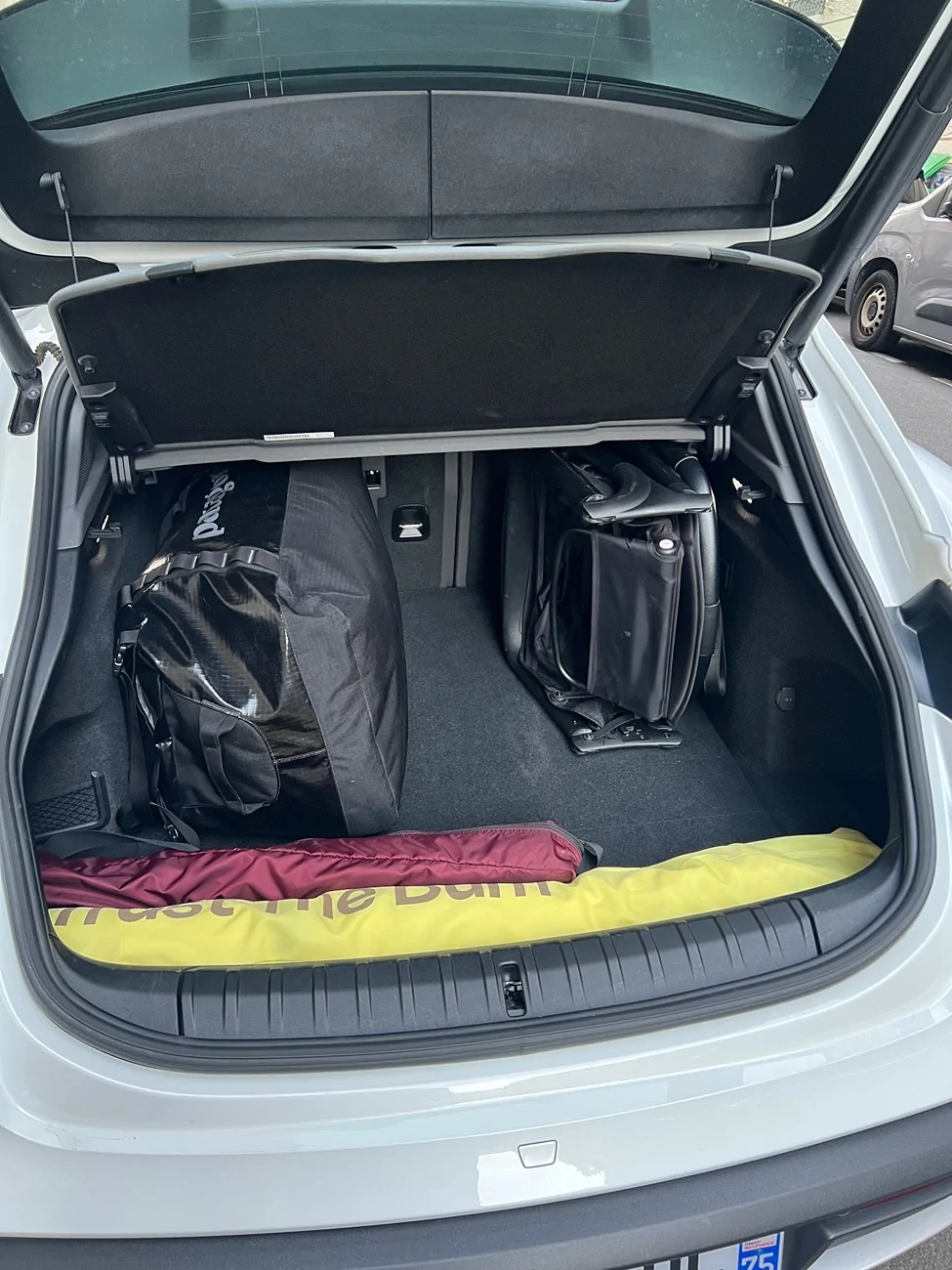
This is my first Porsche. I came into the brand without decades of 911 ownership behind me, without childhood memories of air-cooled engines, and without any particular need to defend the badge. I simply wanted a fast, beautiful, practical electric car that could carry my family and our luggage across Europe.
What I found was something far more special.
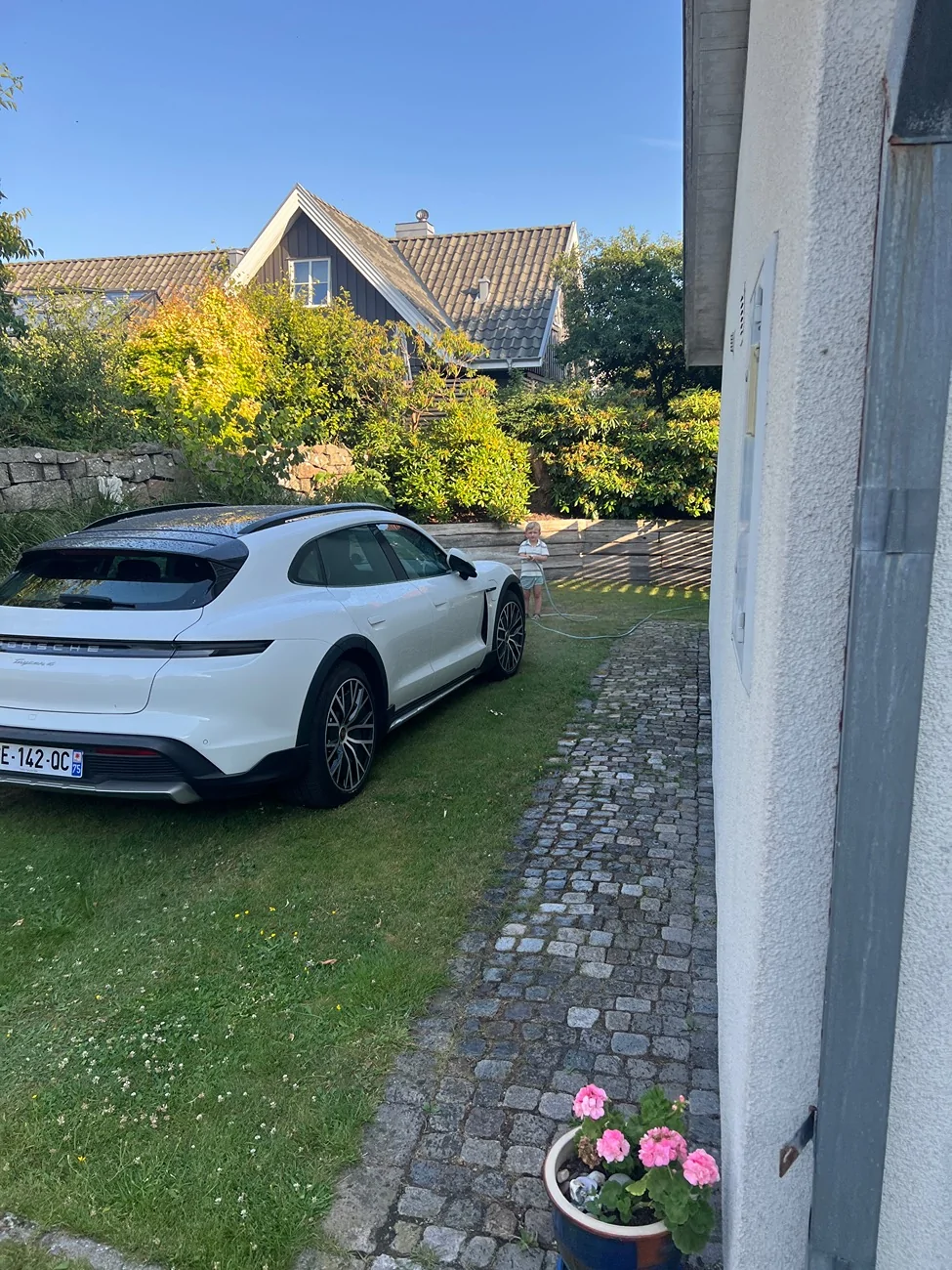
My CT4 is a 2022 car on 20-inch Turbo S Aero wheels, with rear-axle steering, air suspension, the panoramic roof, roof rails and the Off-Road Design Package. In other words, it is not the lightest, lowest or most range-optimised Taycan ever built.
And I absolutely adore it.
There are faster Taycans, of course. Much faster ones. But I genuinely struggle to imagine needing more performance on a public road. The CT4 already delivers that surreal Taycan sensation: immediate acceleration, immense traction and a centre of gravity that makes two tonnes of family estate car seem to disappear beneath you.
What impresses me most, however, is not how fast it is.
It is the completeness of it.
It can glide silently through a town with the composure of a luxury car, then shrink around you on a twisting road. The steering is beautifully judged. The body control is extraordinary. The rear-axle steering makes it feel far smaller than it is. The ride remains composed even when the road deteriorates. Then you park it, look back, and remember that this wonderfully practical family car also happens to be one of the most beautiful shapes Porsche has ever produced.
The Cross Turismo does not feel like an electric estate wearing a Porsche badge. It feels like Porsche took the electric drivetrain seriously enough to build an entirely new kind of Porsche around it.
And then there is the subject that seems to dominate every Taycan discussion: range.
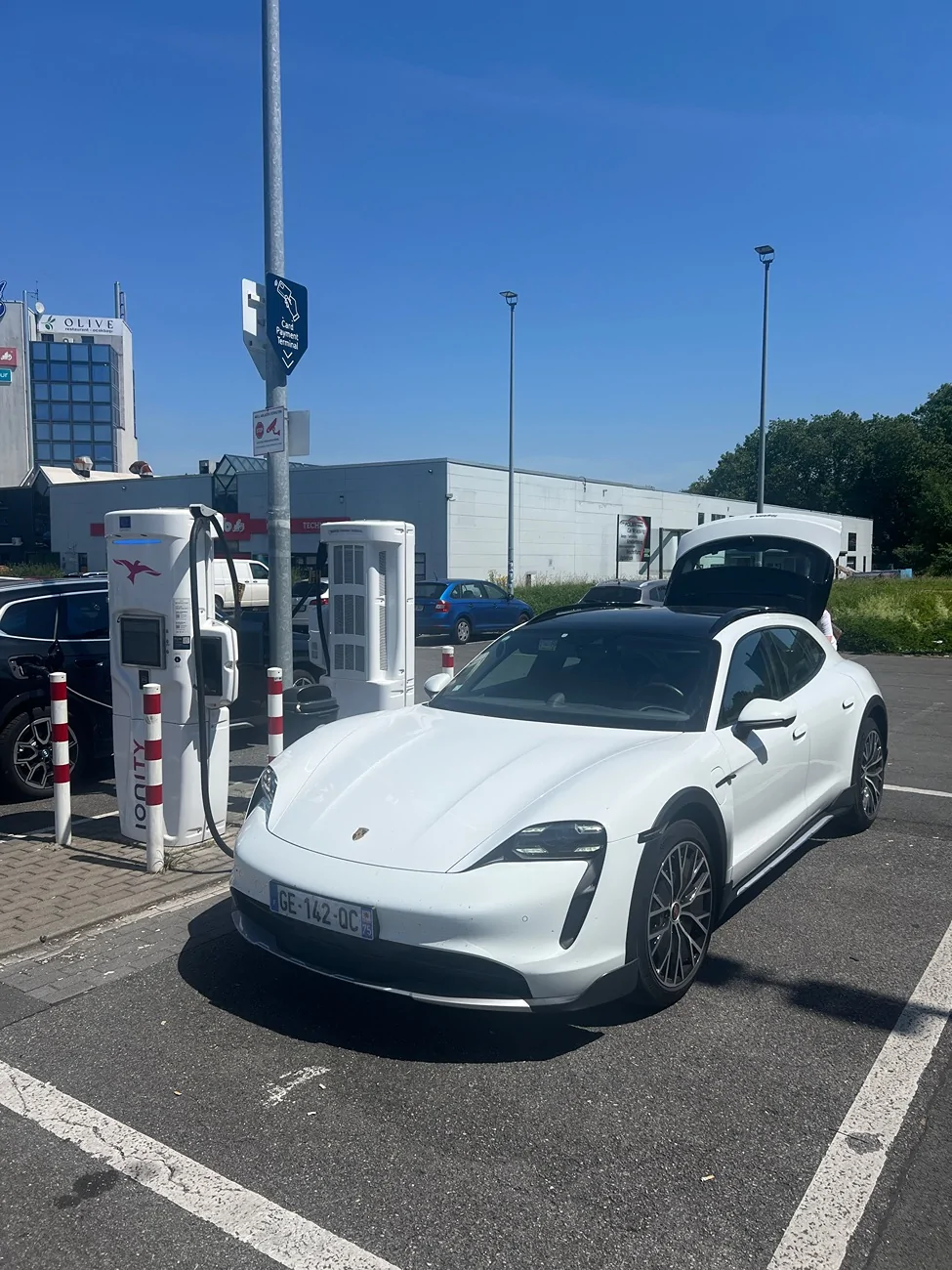
Before buying mine, I read everything. Disappointing range estimates. Winter consumption. Battery degradation. Charging curves. Stories about people arriving at chargers with 3 per cent remaining, apparently one broken Ionity station away from disaster.
I assumed range would be the compromise I would have to accept in exchange for everything else.
It has not been.
Since collecting the car, we have driven it from Paris to the south of France, from Paris to Bremen, across Denmark and Sweden, and on countless shorter family journeys. One day it is covering 800 kilometres through rain, heat and motorway traffic. The next it is carrying children and luggage along small coastal roads. Most recently, we drove from Höllviken to Bjärred, across to Louisiana in Denmark, and back again.
It simply gets on with it.
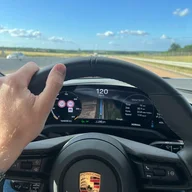
On faster motorway journeys at 120 to 130 km/h, I generally see consumption in the region of 24 to 25 kWh/100 km. In good conditions on slower roads, the car regularly drops towards 18 to 21. I have seen sub-18 figures over meaningful distances. From a large, four-wheel-drive, two-tonne Cross Turismo with an off-road package, that is remarkable.
No, it will not travel 500 motorway kilometres at 130 km/h without stopping. But neither will my family.
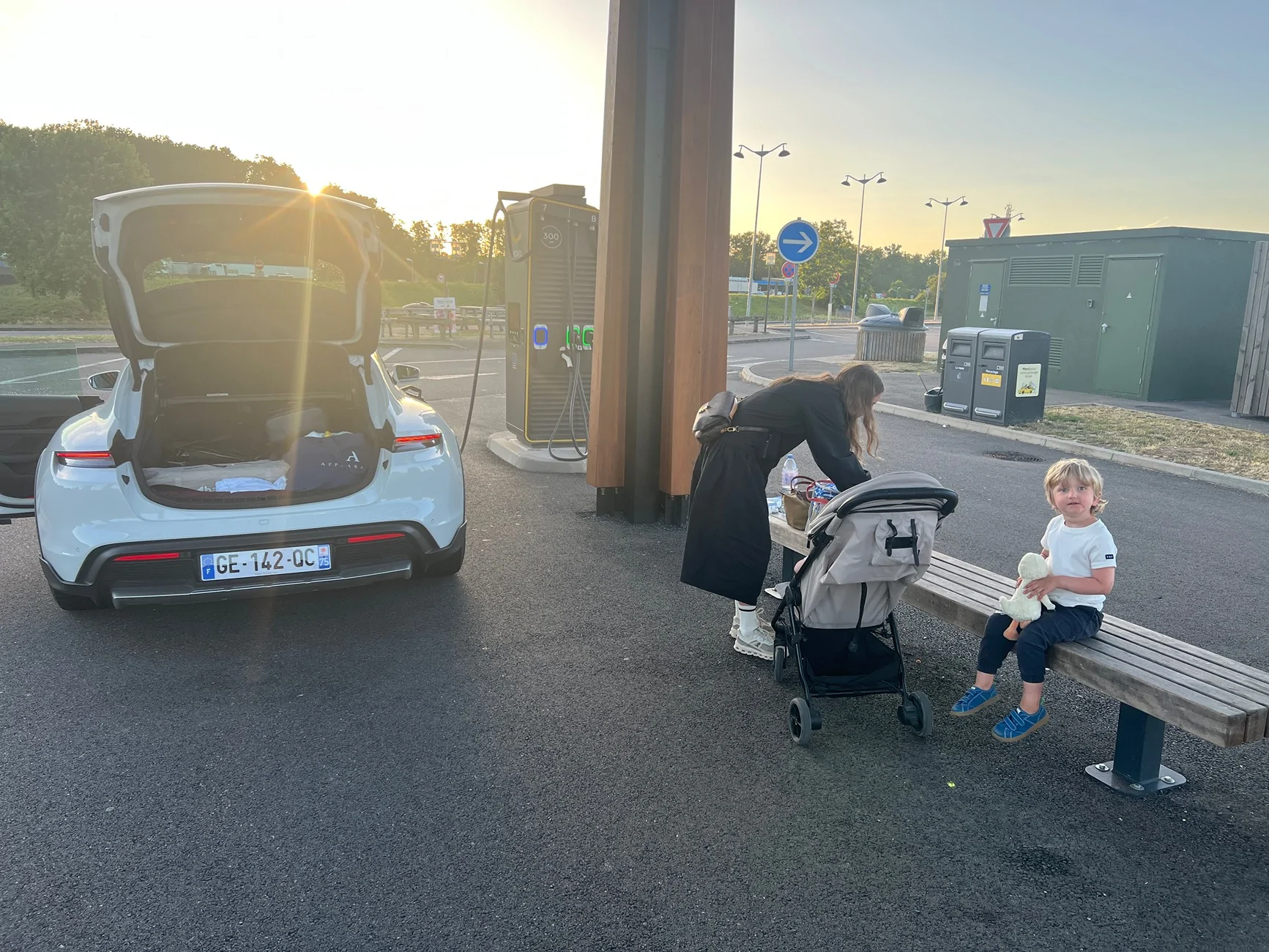
After two or three hours, somebody needs coffee, food, a toilet or simply ten minutes outside the car. When the battery is warm and the charger is working properly, the Taycan often finishes charging before we have finished doing whatever caused us to stop.
That is the part the range-anxiety conversation misses.
You do not experience an electric road trip as one enormous countdown from 100 per cent to zero. You experience it as a series of very manageable driving stages, with short stops that fit naturally into the journey. The Taycan’s great strength is not merely the size of its battery. It is how efficiently it uses that battery, how consistently it covers ground and how quickly it can take energy back on board.
After thousands of kilometres, I no longer think, “Can the car make it?”
I think, “Where would we like to stop?” That is a profound difference.
Of course, it is not perfect. The software can occasionally remind you that Porsche had considerably more experience building chassis than computers. The range estimator can be comically pessimistic after a run of short journeys. Public charging infrastructure still varies enormously. And owning a Taycan will teach you far more about temperature, wind and elevation than you ever expected to know.
But none of those things defines the ownership experience.
What defines it is the moment you leave early in the morning with the family asleep, the cabin quiet and the road almost empty. It is the way the car settles at speed, utterly stable and untroubled. It is the little movement of the steering wheel as you guide it into a long bend. It is the impossible combination of calmness and urgency. It is arriving hundreds of kilometres later feeling as though the car could turn around and do the whole journey again.
The Taycan is sometimes discussed as though it were an early and now outdated attempt at an electric Porsche, judged mainly by a WLTP number or compared with newer cars carrying larger batteries.
That misses the point entirely.
A car is not a battery specification with seats attached. Range matters, but so do steering, braking, comfort, confidence, design, build quality and the simple desire to drive somewhere for no reason other than the road itself.
The Taycan, and perhaps especially the Cross Turismo, brings all of those things together in a way I have never experienced before.
It is a sports car when I want one, a quiet long-distance express when I need one, and a family estate every day. It carries children, suitcases and all the debris of family life, yet still makes an ordinary journey feel like an event.
So yes, my first Porsche is electric.
It is also one of the finest cars I have ever driven.
And if this is what entering the Porsche world feels like, I finally understand why so many people never leave.


I could not agree with you more, Klas.
My Taycan is my second Porsche. My first was a 1971 911T Targa, carbureted (Webers). That's the one that ruined me for other cars. With a family over the years, the Targa gave way to more practical models-- though always sporty, never with the same soul. But with other priorities satisfied I had to have a Taycan, and wow! What a car!
Lately, for some reason, I've been feeling the unpleasant pang of depreciation in my Turbo S, but my wife reminded me it wasn't a financial investment, and she is right. Your writing about your experience reminds me of why I bought it in the first place. Thanks.
I think I'll go for a drive!

Bao1303
Well-Known Member
- Joined
- Jul 21, 2022
- Threads
- 1
- Messages
- 74
- Reaction score
- 84
- Location
- Norway
- Vehicles
- Porsche Taycan CT 4S, BMW X5 45e, various bikes

Great summary, its the whole package. On my 4th year, 50000km 4s CT, preparing for PAW and keeping it for the unforeseeable future. Car no. 2 to be upgraded to Cayenne EV when the time comes
OP
OP
TaycanParis
Member
- First Name
- Klas
- Joined
- Jun 10, 2026
- Threads
- 1
- Messages
- 6
- Reaction score
- 94
- Location
- France
- Vehicles
- Taycan CT4 MY22

- Thread starter
- #34
Wow! I wrote the original post about one car.
Your replies turned it into something much bigger.
What has struck me most is not simply how many people agreed, but how many added their own version of the same story. Taycans with tens of thousands of trouble-free miles. Former 911, BMW and Mercedes owners. Cars carrying children, dogs, golf clubs, cameras, luggage and, perhaps most importantly, cases of Burgundy and Champagne. Taycans crossing countries, exploring remote regions and still making their owners look for excuses to take the long way home.
Different models, different countries, different lives. Yet the same unmistakable affection.
And I think that matters, particularly for anyone who arrives here considering a used Taycan.
Spend enough time on an owners’ forum and it is easy to believe that every Taycan is either displaying a red electrical warning, waiting for a battery module or searching desperately for a working charger. That is understandable. People rarely start a thread to announce that their car started normally, completed another journey and arrived home without incident.
Problems create posts. Reliability creates mileage.
That does not make the failures imaginary or unimportant. Some owners have endured unacceptable breakdowns, long repair times and experiences far below what anyone should expect from Porsche. Their stories deserve to be told, and forums like this are invaluable precisely because they give owners somewhere to share them and help one another.
But they are not the whole story.
The quieter story is being written every day by thousands of Taycans that simply work. They leave home, carry people across cities and countries, charge while their owners have lunch, and return ready to do it again the following morning. No warning lights. No recovery truck. No dramatic forum thread. Just an exceptional car doing what it was built to do.
The replies here have been a wonderful reminder of that.
They are not a scientific reliability study, but they do correct the picture. The Taycan is not merely a collection of red rings, battery recalls, depreciation charts and pessimistic range estimates. For most of us, most of the time, it is something far less dramatic and far more meaningful:
It is the car outside that we cannot wait to drive again.
Range anxiety also seems to disappear in much the same way. Not through arguments or WLTP figures, but through experience. You complete the first long journey, then another. You arrive with more battery than expected. You discover that charging fits into the natural rhythm of travelling. Eventually, the question changes from “Can an electric car do this?” to “Where shall we go next?”
Perhaps that is the real lesson from all these stories.
The internet is very good at documenting how products fail. It is less good at capturing the countless ordinary days on which they succeed, or the extraordinary pleasure they can bring while doing so.
Thank you to everyone who shared their experience here. I started this thread because I had fallen in love with my own CT4. I leave it even more convinced that I did not simply get lucky.
Most Taycans are not red rings of death waiting to happen.
They are remarkable cars waiting for the next road.
Your replies turned it into something much bigger.
What has struck me most is not simply how many people agreed, but how many added their own version of the same story. Taycans with tens of thousands of trouble-free miles. Former 911, BMW and Mercedes owners. Cars carrying children, dogs, golf clubs, cameras, luggage and, perhaps most importantly, cases of Burgundy and Champagne. Taycans crossing countries, exploring remote regions and still making their owners look for excuses to take the long way home.
Different models, different countries, different lives. Yet the same unmistakable affection.
And I think that matters, particularly for anyone who arrives here considering a used Taycan.
Spend enough time on an owners’ forum and it is easy to believe that every Taycan is either displaying a red electrical warning, waiting for a battery module or searching desperately for a working charger. That is understandable. People rarely start a thread to announce that their car started normally, completed another journey and arrived home without incident.
Problems create posts. Reliability creates mileage.
That does not make the failures imaginary or unimportant. Some owners have endured unacceptable breakdowns, long repair times and experiences far below what anyone should expect from Porsche. Their stories deserve to be told, and forums like this are invaluable precisely because they give owners somewhere to share them and help one another.
But they are not the whole story.
The quieter story is being written every day by thousands of Taycans that simply work. They leave home, carry people across cities and countries, charge while their owners have lunch, and return ready to do it again the following morning. No warning lights. No recovery truck. No dramatic forum thread. Just an exceptional car doing what it was built to do.
The replies here have been a wonderful reminder of that.
They are not a scientific reliability study, but they do correct the picture. The Taycan is not merely a collection of red rings, battery recalls, depreciation charts and pessimistic range estimates. For most of us, most of the time, it is something far less dramatic and far more meaningful:
It is the car outside that we cannot wait to drive again.
Range anxiety also seems to disappear in much the same way. Not through arguments or WLTP figures, but through experience. You complete the first long journey, then another. You arrive with more battery than expected. You discover that charging fits into the natural rhythm of travelling. Eventually, the question changes from “Can an electric car do this?” to “Where shall we go next?”
Perhaps that is the real lesson from all these stories.
The internet is very good at documenting how products fail. It is less good at capturing the countless ordinary days on which they succeed, or the extraordinary pleasure they can bring while doing so.
Thank you to everyone who shared their experience here. I started this thread because I had fallen in love with my own CT4. I leave it even more convinced that I did not simply get lucky.
Most Taycans are not red rings of death waiting to happen.
They are remarkable cars waiting for the next road.
tigerbalm
Well-Known Member
- First Name
- Damien
- Joined
- Oct 11, 2020
- Threads
- 97
- Messages
- 3,541
- Reaction score
- 7,967
- Location
- Dublin, Ireland
- Website
- www.targatrips.com
- Vehicles
- 911 Targa 4 GTS, Fiat 500 EV. Sold: Taycan Turbo S, Taycan 4S; Panamera Turbo S

Enjoy. Nothing like driving the Taycan in Norway. You'll be absolutely spoilt for charging options.Our first road trip will bring us to the Fjords of Norway. The stunning Taycan in this stunning surroundings will force me to take my analog Hasselblad camera along with my tripod. No more packing issues, like I had with my 911s.
Packing up the 911 though is half the fun:
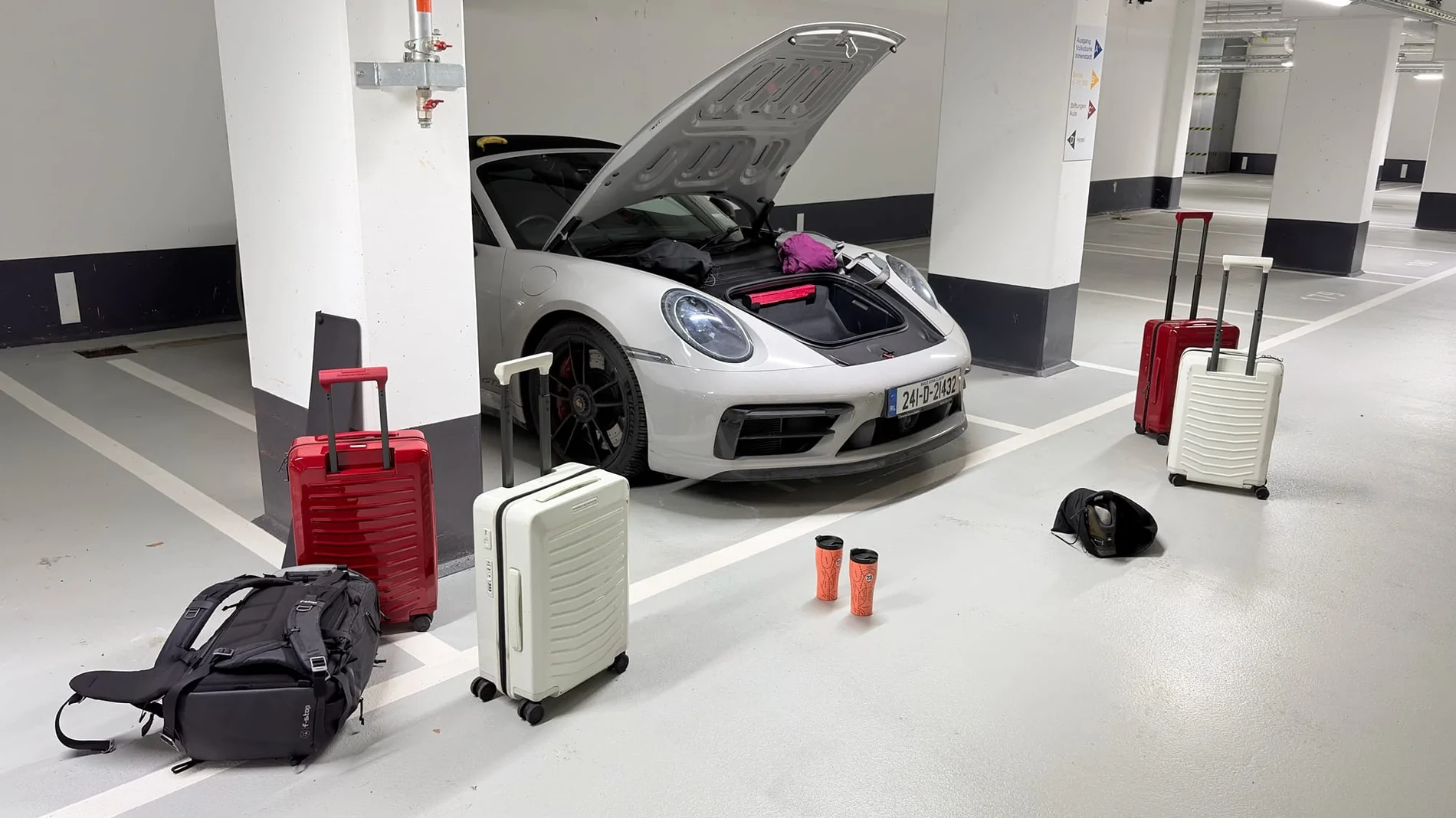
My Hasselblad is in the black rucksack/camera bag.
pteron
Active Member
- First Name
- Andrew
- Joined
- Aug 14, 2025
- Threads
- 1
- Messages
- 42
- Reaction score
- 41
- Location
- Flanders
- Vehicles
- 2024 GTS

Yet another post in full agreement here, M. TaycanParis. Mine is the coupe GTS, picked it up under 2 years old with just 8.5k km on it, it was indistinguishable from new. 10 months later we have it at just under 21k km. It's safely taken us to Germany, down to Epernay, over to the UK multiple times and the only fault has been the half expected heater failure.
I recently had an Audi A6 ICE loaner whilst the nav was being updated and it felt like driving a steam engine.
It's a shame Porsche are de-emphasising the Taycan, it really is an amazing car.
I recently had an Audi A6 ICE loaner whilst the nav was being updated and it felt like driving a steam engine.
It's a shame Porsche are de-emphasising the Taycan, it really is an amazing car.
Leccy61
Well-Known Member
- Joined
- Nov 18, 2024
- Threads
- 4
- Messages
- 335
- Reaction score
- 252
- Location
- United Kingdom
- Vehicles
- Taycan Cross Turismo, 986 Boxster S, VW ID.3 Pro S

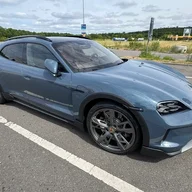
Absolument @TaycanParis we need Porsche management to have the courage to lead, with an EV strategy that includes such a unique “halo” product that epitomises the brand. Loss leader if necessary!
ebow4444
Member
- First Name
- Andreas
- Joined
- Jul 17, 2026
- Threads
- 1
- Messages
- 6
- Reaction score
- 38
- Location
- Germany
- Vehicles
- 2026 Taycan 4S CT
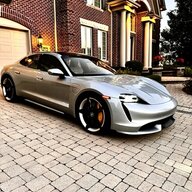
Thank you for your reply. Good luck with the 911 and the luggage…Tetris-Knowledge could be handy ;-)Enjoy. Nothing like driving the Taycan in Norway. You'll be absolutely spoilt for charging options.
Packing up the 911 though is half the fun:

My Hasselblad is in the black rucksack/camera bag.
JC-Maverick
Well-Known Member
- First Name
- Harold
- Joined
- Oct 14, 2024
- Threads
- 0
- Messages
- 54
- Reaction score
- 44
- Location
- Naperville, IL
- Vehicles
- Tycan Turbo, BMW 5 Competition, Tesla X Plaid
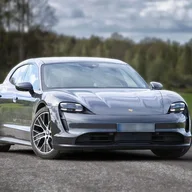
TaycanParis, what a wonderful write up and my hat is off to you. I do admire this wonderful piece of technology which has been flawless since it was purchased and does bring a smile on my face daily. Thank you again for putting into words the way many of us feel about the Taycan..
Fogsvans
Active Member
- Joined
- Jul 20, 2025
- Threads
- 1
- Messages
- 35
- Reaction score
- 39
- Location
- Sweden
- Vehicles
- Taycan Sport Turismo

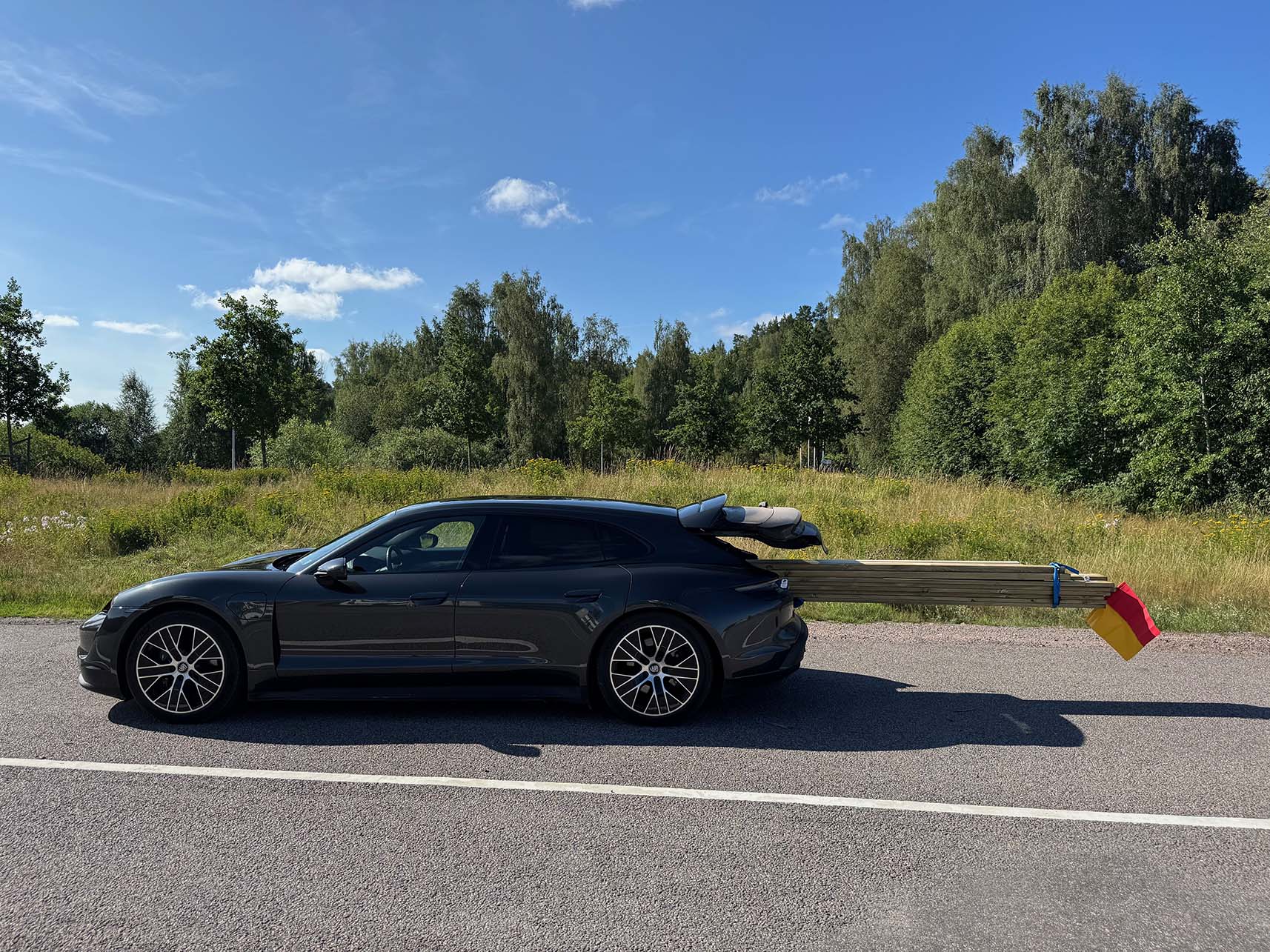
Vilken hyllning. Har liknande erfarenheter själv. Magisk bil, helt problemfri. Möjligen skulle jag önska en vettigt fungerande förvärmning av batteriet, men nu har jag bestämt mig för att ställa av Taycanen i vinter och slita gamla Audidieseln istället så det spelar ingen större roll för mig. Hade gärna haft en riktig dragkrok också om jag fick önska. Men i övrigt så tickar den i alla boxar, även som byggbilWow! I wrote the original post about one car.
Your replies turned it into something much bigger.
What has struck me most is not simply how many people agreed, but how many added their own version of the same story. Taycans with tens of thousands of trouble-free miles. Former 911, BMW and Mercedes owners. Cars carrying children, dogs, golf clubs, cameras, luggage and, perhaps most importantly, cases of Burgundy and Champagne. Taycans crossing countries, exploring remote regions and still making their owners look for excuses to take the long way home.
Different models, different countries, different lives. Yet the same unmistakable affection.
And I think that matters, particularly for anyone who arrives here considering a used Taycan.
Spend enough time on an owners’ forum and it is easy to believe that every Taycan is either displaying a red electrical warning, waiting for a battery module or searching desperately for a working charger. That is understandable. People rarely start a thread to announce that their car started normally, completed another journey and arrived home without incident.
Problems create posts. Reliability creates mileage.
That does not make the failures imaginary or unimportant. Some owners have endured unacceptable breakdowns, long repair times and experiences far below what anyone should expect from Porsche. Their stories deserve to be told, and forums like this are invaluable precisely because they give owners somewhere to share them and help one another.
But they are not the whole story.
The quieter story is being written every day by thousands of Taycans that simply work. They leave home, carry people across cities and countries, charge while their owners have lunch, and return ready to do it again the following morning. No warning lights. No recovery truck. No dramatic forum thread. Just an exceptional car doing what it was built to do.
The replies here have been a wonderful reminder of that.
They are not a scientific reliability study, but they do correct the picture. The Taycan is not merely a collection of red rings, battery recalls, depreciation charts and pessimistic range estimates. For most of us, most of the time, it is something far less dramatic and far more meaningful:
It is the car outside that we cannot wait to drive again.
Range anxiety also seems to disappear in much the same way. Not through arguments or WLTP figures, but through experience. You complete the first long journey, then another. You arrive with more battery than expected. You discover that charging fits into the natural rhythm of travelling. Eventually, the question changes from “Can an electric car do this?” to “Where shall we go next?”
Perhaps that is the real lesson from all these stories.
The internet is very good at documenting how products fail. It is less good at capturing the countless ordinary days on which they succeed, or the extraordinary pleasure they can bring while doing so.
Thank you to everyone who shared their experience here. I started this thread because I had fallen in love with my own CT4. I leave it even more convinced that I did not simply get lucky.
Most Taycans are not red rings of death waiting to happen.
They are remarkable cars waiting for the next road.


targa666
Well-Known Member
- First Name
- Lies
- Joined
- Mar 13, 2026
- Threads
- 17
- Messages
- 299
- Reaction score
- 275
- Location
- the Netherlands
- Vehicles
- ‘22 Taycan 4S sedan frozenberry, H-D sportster 883 low

You really nailed the sentiments of owning and driving a Taycan! Love it, we need more of these positives in the forum
I own my 4S for just a few months and she is the most amazing car I have ever driven! Even the 2 classic 911s cannot compare ( literally, the hard spartan vs the luxery easy going)
When we went for our first EV Porsche wasn’t on my list simply because of the pricing. I just went for a testdrive for fun. And fun it was, ended up buying a 4-year old Taycan . And not for lack of trying to convince myself that a Lexus or even Toyota was good enough!
I told my husband I’ll never make the mistake of not buying a Porsche again- be prepared!
Despite recurring charging issues I really really love this car. She is amazing in every way. Such a comfortable easygoing ride who delivers immediately when needed (or wanted) without going bezerk. Plenty of room for the family, even in the sedan. And looks to die for. I get compliments almost daily, not only the model appeals to people but also the frozenberry color really does it!
every morning coming down the stairs the first thing I see is Juliet (christened by my sister-in-law) through the window and I get a big smile on my face
Every time I try to charge and we are in error again I just laugh and try again and again. A glitch here and there in the screen, a weird answer when using the “he porsche” function… just laugh and joke it away. It’s never a serious issue. (Well the charging can be, but it will be fixed soon)
I am in very good relations with my PC, that seems to be a bit of luck as well. They are fast, understanding and helpful.
All in all. Getting the Taycan is one of the best decisions we ever made. We enjoy her every day. So much even that my husband is also going for his drivers license now!
standing out between the grey mouses on the boat. Holidays!
I own my 4S for just a few months and she is the most amazing car I have ever driven! Even the 2 classic 911s cannot compare ( literally, the hard spartan vs the luxery easy going)
When we went for our first EV Porsche wasn’t on my list simply because of the pricing. I just went for a testdrive for fun. And fun it was, ended up buying a 4-year old Taycan
. And not for lack of trying to convince myself that a Lexus or even Toyota was good enough!I told my husband I’ll never make the mistake of not buying a Porsche again- be prepared!
Despite recurring charging issues I really really love this car. She is amazing in every way. Such a comfortable easygoing ride who delivers immediately when needed (or wanted) without going bezerk. Plenty of room for the family, even in the sedan. And looks to die for. I get compliments almost daily, not only the model appeals to people but also the frozenberry color really does it!
every morning coming down the stairs the first thing I see is Juliet (christened by my sister-in-law) through the window and I get a big smile on my face
Every time I try to charge and we are in error again I just laugh and try again and again. A glitch here and there in the screen, a weird answer when using the “he porsche” function… just laugh and joke it away. It’s never a serious issue. (Well the charging can be, but it will be fixed soon)
I am in very good relations with my PC, that seems to be a bit of luck as well. They are fast, understanding and helpful.
All in all. Getting the Taycan is one of the best decisions we ever made. We enjoy her every day. So much even that my husband is also going for his drivers license now!
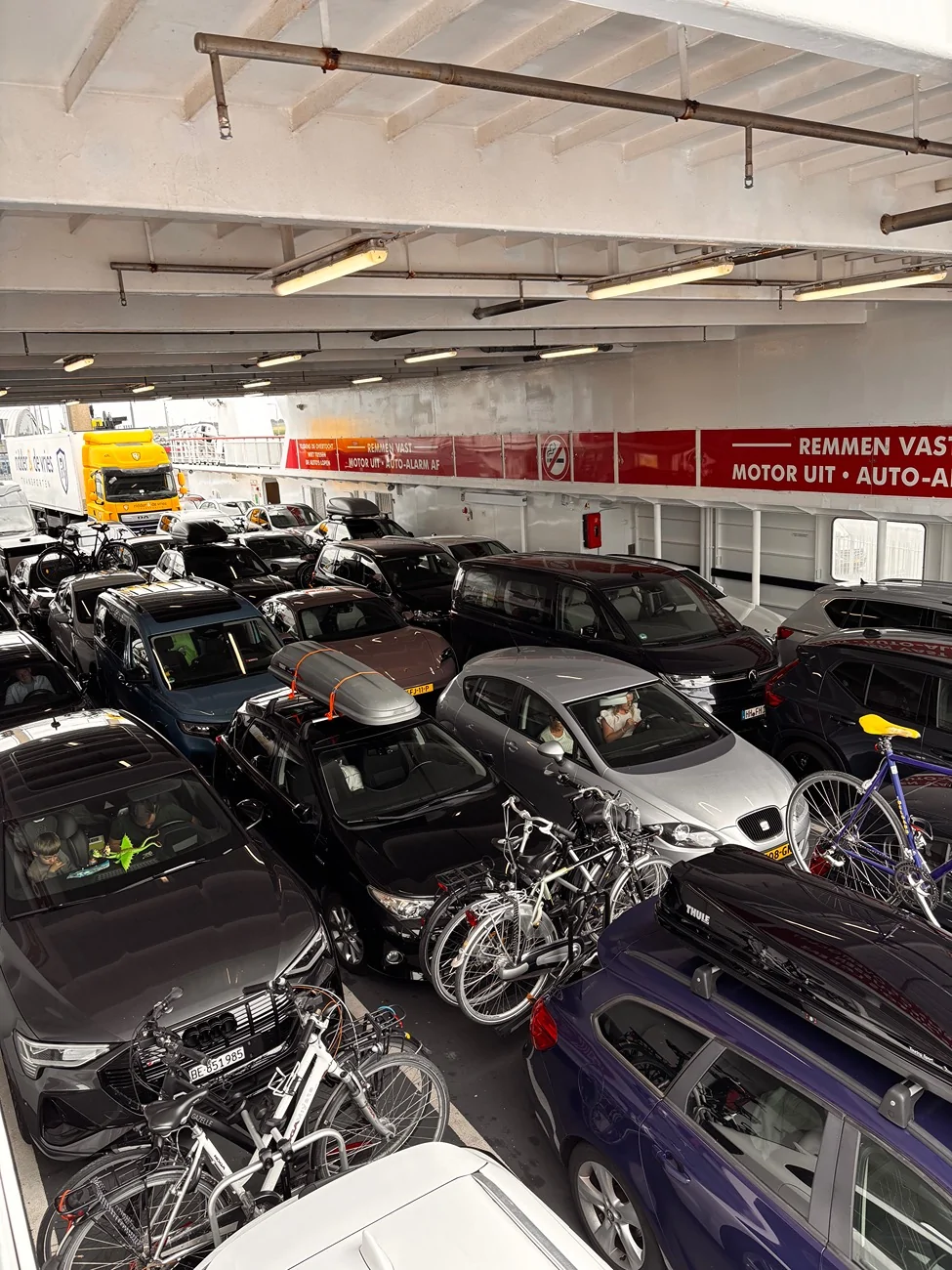
standing out between the grey mouses on the boat. Holidays!
targa666
Well-Known Member
- First Name
- Lies
- Joined
- Mar 13, 2026
- Threads
- 17
- Messages
- 299
- Reaction score
- 275
- Location
- the Netherlands
- Vehicles
- ‘22 Taycan 4S sedan frozenberry, H-D sportster 883 low
O and also:
Am I glad I did impulsively follow my guts and just went for the Taycan!
I never read any of the horror stories before purchase, that might have kept us from actually buying this car!
Don’t get me wrong, this forum is great and it’s fantastic too find help and info on any issue but can be quite depressing too.
Am I glad I did impulsively follow my guts and just went for the Taycan!
I never read any of the horror stories before purchase, that might have kept us from actually buying this car!
Don’t get me wrong, this forum is great and it’s fantastic too find help and info on any issue but can be quite depressing too.
jkjjpc
Well-Known Member
- First Name
- John
- Joined
- Jan 17, 2020
- Threads
- 15
- Messages
- 137
- Reaction score
- 85
- Location
- Washington DC
- Vehicles
- 2020 BMW X5 40i, 2020 Tesla Model 3 Performance
Taycan ParisWow! I wrote the original post about one car.
Your replies turned it into something much bigger.
What has struck me most is not simply how many people agreed, but how many added their own version of the same story. Taycans with tens of thousands of trouble-free miles. Former 911, BMW and Mercedes owners. Cars carrying children, dogs, golf clubs, cameras, luggage and, perhaps most importantly, cases of Burgundy and Champagne. Taycans crossing countries, exploring remote regions and still making their owners look for excuses to take the long way home.
Different models, different countries, different lives. Yet the same unmistakable affection.
And I think that matters, particularly for anyone who arrives here considering a used Taycan.
Spend enough time on an owners’ forum and it is easy to believe that every Taycan is either displaying a red electrical warning, waiting for a battery module or searching desperately for a working charger. That is understandable. People rarely start a thread to announce that their car started normally, completed another journey and arrived home without incident.
Problems create posts. Reliability creates mileage.
That does not make the failures imaginary or unimportant. Some owners have endured unacceptable breakdowns, long repair times and experiences far below what anyone should expect from Porsche. Their stories deserve to be told, and forums like this are invaluable precisely because they give owners somewhere to share them and help one another.
But they are not the whole story.
The quieter story is being written every day by thousands of Taycans that simply work. They leave home, carry people across cities and countries, charge while their owners have lunch, and return ready to do it again the following morning. No warning lights. No recovery truck. No dramatic forum thread. Just an exceptional car doing what it was built to do.
The replies here have been a wonderful reminder of that.
They are not a scientific reliability study, but they do correct the picture. The Taycan is not merely a collection of red rings, battery recalls, depreciation charts and pessimistic range estimates. For most of us, most of the time, it is something far less dramatic and far more meaningful:
It is the car outside that we cannot wait to drive again.
Range anxiety also seems to disappear in much the same way. Not through arguments or WLTP figures, but through experience. You complete the first long journey, then another. You arrive with more battery than expected. You discover that charging fits into the natural rhythm of travelling. Eventually, the question changes from “Can an electric car do this?” to “Where shall we go next?”
Perhaps that is the real lesson from all these stories.
The internet is very good at documenting how products fail. It is less good at capturing the countless ordinary days on which they succeed, or the extraordinary pleasure they can bring while doing so.
Thank you to everyone who shared their experience here. I started this thread because I had fallen in love with my own CT4. I leave it even more convinced that I did not simply get lucky.
Most Taycans are not red rings of death waiting to happen.
They are remarkable cars waiting for the next road.
Thanks so much for starting this thread. I love driving my 2021 4S and have had no significant issues with the car other than softwarre updates and the heater replacement. I love the way the car looks and it drives like no other car i have ever owned. The car is like new other than some curbed wheels that can be repaired.
I have considered selling the Taycan over the years, but can never pull the trigger since I cannot sort out a replacement I would like as much. My only real issues with the car are that it is a little challenging to get in and out of the front seat and the rear seats are tight for adults when we go out with friends. I have considered moving to a Macan EV for greater practicality, but even at the higher end of the range that feels like it will be a ”step down” from the Taycan. I considered getting a CT when I bought the sedan, but they were just arriving when my custom order arrived at the dealership, so I stayed with the sedan. I guess the CT would have addressed the rear seat issue to some degree, but the entry/exit from the front would be the same.
I was concerned about range when I first bought the car, but we have taken it on several 1000 mile trips without any real issues. I always tell people that my bladder has less capacity than the battery in the car. We actually enjoy stopping every 3 hours or so for a 30 minute restroom and snack break. We are no longer 20 when we could drive 500 miles without stopping, and we are not in any big hurry to get to our destination.
I’m sure I will keep looking at replacement options, but it will be hard to move away from the Taycan 4S.
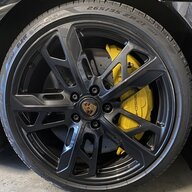
Argo
Well-Known Member
- Joined
- Sep 26, 2023
- Threads
- 0
- Messages
- 100
- Reaction score
- 264
- Location
- Switzerland
- Vehicles
- Cross Turismo Turbo S

Fantastic write up, and a great description of what this car is all about.I bought my Taycan 4 Cross Turismo expecting to love it.
I did not expect it to completely reset my understanding of what a car could be.
This is my first Porsche. I came into the brand without decades of 911 ownership behind me, without childhood memories of air-cooled engines, and without any particular need to defend the badge. I simply wanted a fast, beautiful, practical electric car that could carry my family and our luggage across Europe.
What I found was something far more special.
My CT4 is a 2022 car on 20-inch Turbo S Aero wheels, with rear-axle steering, air suspension, the panoramic roof, roof rails and the Off-Road Design Package. In other words, it is not the lightest, lowest or most range-optimised Taycan ever built.
And I absolutely adore it.
There are faster Taycans, of course. Much faster ones. But I genuinely struggle to imagine needing more performance on a public road. The CT4 already delivers that surreal Taycan sensation: immediate acceleration, immense traction and a centre of gravity that makes two tonnes of family estate car seem to disappear beneath you.
What impresses me most, however, is not how fast it is.
It is the completeness of it.
It can glide silently through a town with the composure of a luxury car, then shrink around you on a twisting road. The steering is beautifully judged. The body control is extraordinary. The rear-axle steering makes it feel far smaller than it is. The ride remains composed even when the road deteriorates. Then you park it, look back, and remember that this wonderfully practical family car also happens to be one of the most beautiful shapes Porsche has ever produced.
The Cross Turismo does not feel like an electric estate wearing a Porsche badge. It feels like Porsche took the electric drivetrain seriously enough to build an entirely new kind of Porsche around it.
And then there is the subject that seems to dominate every Taycan discussion: range.
Before buying mine, I read everything. Disappointing range estimates. Winter consumption. Battery degradation. Charging curves. Stories about people arriving at chargers with 3 per cent remaining, apparently one broken Ionity station away from disaster.
I assumed range would be the compromise I would have to accept in exchange for everything else.
It has not been.
Since collecting the car, we have driven it from Paris to the south of France, from Paris to Bremen, across Denmark and Sweden, and on countless shorter family journeys. One day it is covering 800 kilometres through rain, heat and motorway traffic. The next it is carrying children and luggage along small coastal roads. Most recently, we drove from Höllviken to Bjärred, across to Louisiana in Denmark, and back again.
It simply gets on with it.
On faster motorway journeys at 120 to 130 km/h, I generally see consumption in the region of 24 to 25 kWh/100 km. In good conditions on slower roads, the car regularly drops towards 18 to 21. I have seen sub-18 figures over meaningful distances. From a large, four-wheel-drive, two-tonne Cross Turismo with an off-road package, that is remarkable.
No, it will not travel 500 motorway kilometres at 130 km/h without stopping. But neither will my family.
After two or three hours, somebody needs coffee, food, a toilet or simply ten minutes outside the car. When the battery is warm and the charger is working properly, the Taycan often finishes charging before we have finished doing whatever caused us to stop.
That is the part the range-anxiety conversation misses.
You do not experience an electric road trip as one enormous countdown from 100 per cent to zero. You experience it as a series of very manageable driving stages, with short stops that fit naturally into the journey. The Taycan’s great strength is not merely the size of its battery. It is how efficiently it uses that battery, how consistently it covers ground and how quickly it can take energy back on board.
After thousands of kilometres, I no longer think, “Can the car make it?”
I think, “Where would we like to stop?” That is a profound difference.
Of course, it is not perfect. The software can occasionally remind you that Porsche had considerably more experience building chassis than computers. The range estimator can be comically pessimistic after a run of short journeys. Public charging infrastructure still varies enormously. And owning a Taycan will teach you far more about temperature, wind and elevation than you ever expected to know.
But none of those things defines the ownership experience.
What defines it is the moment you leave early in the morning with the family asleep, the cabin quiet and the road almost empty. It is the way the car settles at speed, utterly stable and untroubled. It is the little movement of the steering wheel as you guide it into a long bend. It is the impossible combination of calmness and urgency. It is arriving hundreds of kilometres later feeling as though the car could turn around and do the whole journey again.
The Taycan is sometimes discussed as though it were an early and now outdated attempt at an electric Porsche, judged mainly by a WLTP number or compared with newer cars carrying larger batteries.
That misses the point entirely.
A car is not a battery specification with seats attached. Range matters, but so do steering, braking, comfort, confidence, design, build quality and the simple desire to drive somewhere for no reason other than the road itself.
The Taycan, and perhaps especially the Cross Turismo, brings all of those things together in a way I have never experienced before.
It is a sports car when I want one, a quiet long-distance express when I need one, and a family estate every day. It carries children, suitcases and all the debris of family life, yet still makes an ordinary journey feel like an event.
So yes, my first Porsche is electric.
It is also one of the finest cars I have ever driven.
And if this is what entering the Porsche world feels like, I finally understand why so many people never leave.
Thank you for that.
This week my Taycan CT completed a 1000km each way return trip from Geneva to Cambridge in total comfort at a relaxed 130kph cruising speed loaded with luggage.
Now I'm thinking of some fun drives in the French and Swiss high alps to finish off the summer.
Range anxiety? Meh, the charging infrastructure in Europe is tip top, add in home 3 phase charging.
Performance? Total rocket ship in whatever situation, excellent handling
Comfort? First class
More of this please from satisfied Taycan owners, I will try to post some more pics of how functional and fun this car can be...
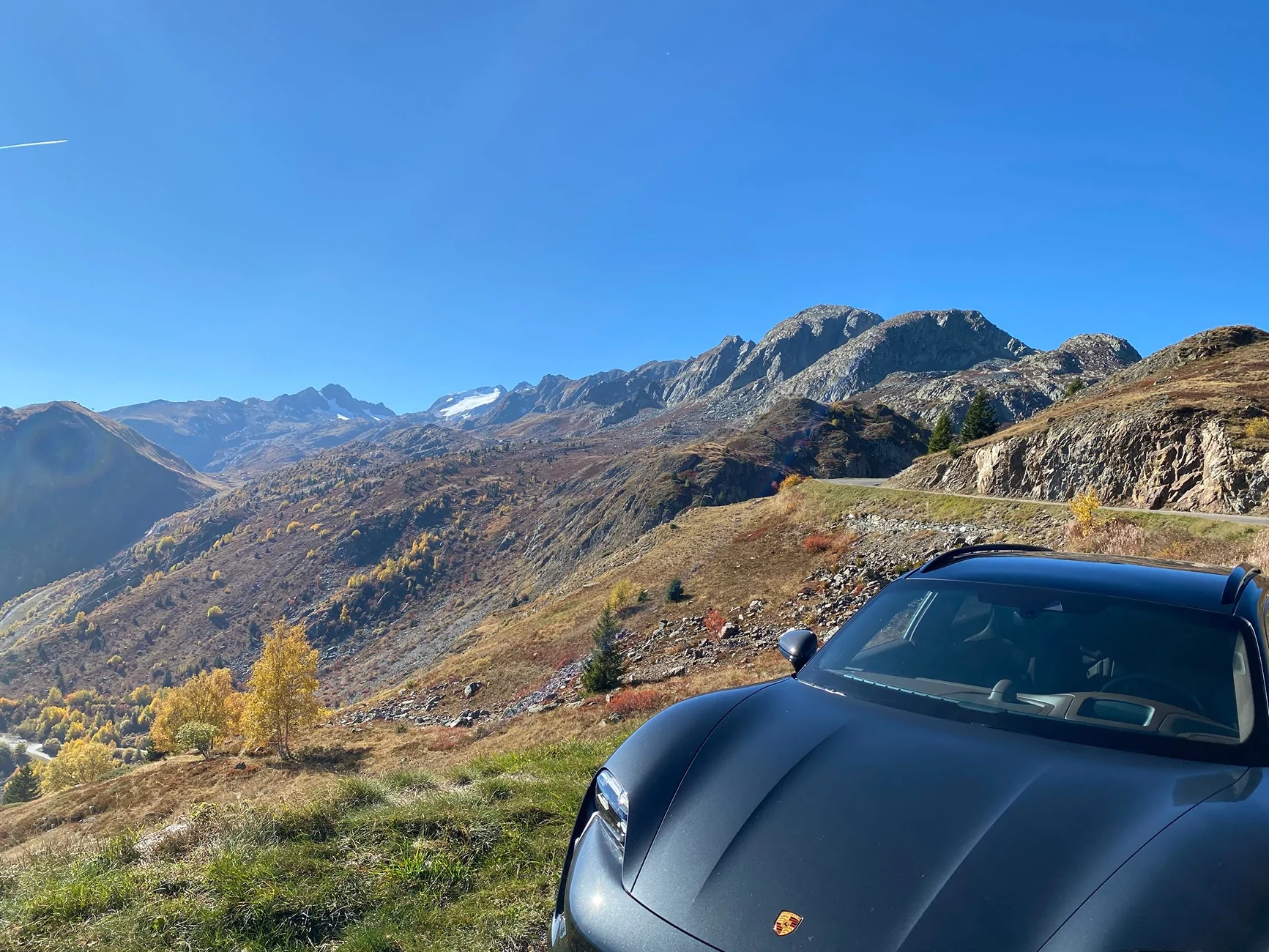
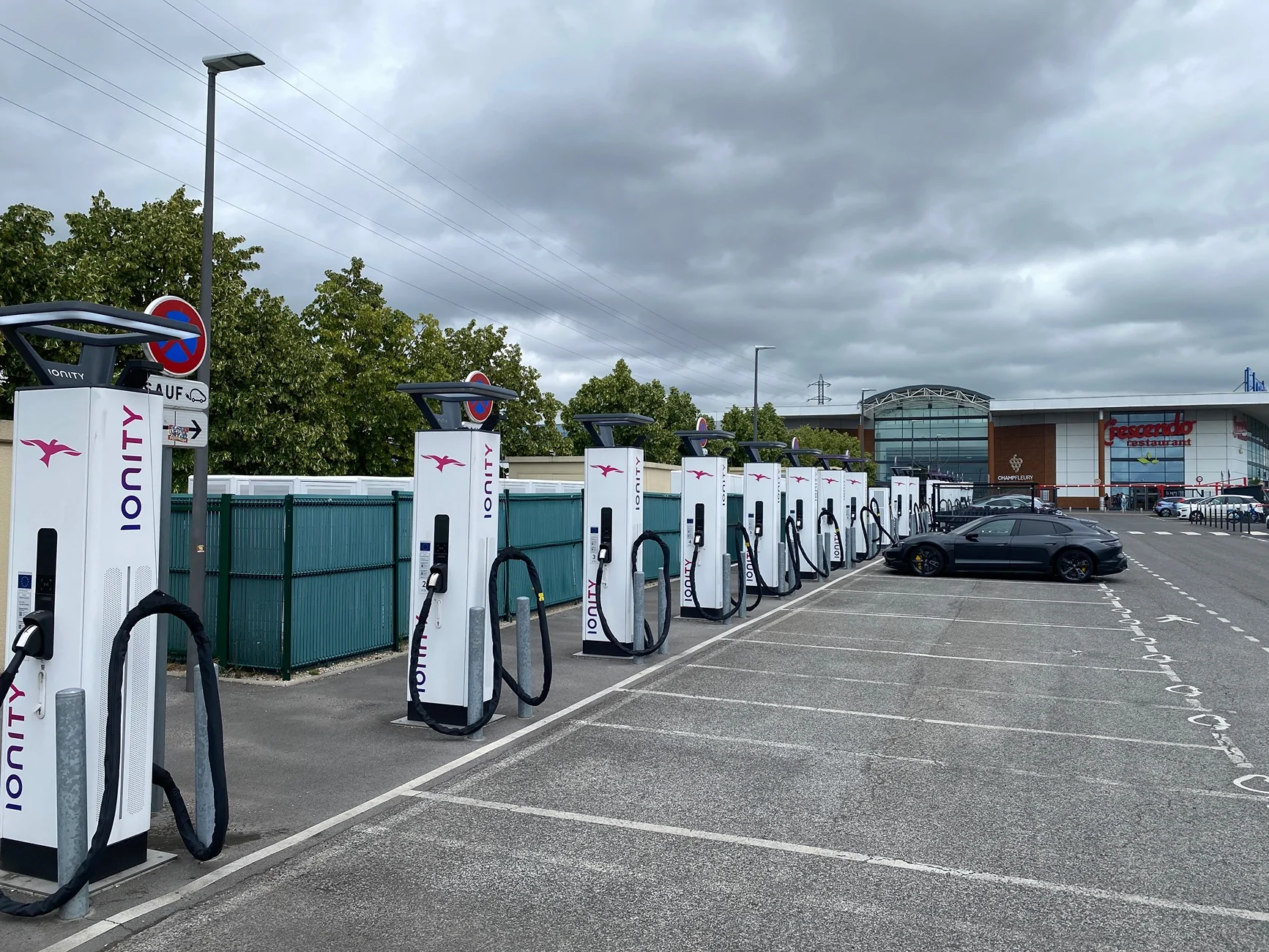
Fun TC Driving
Well-Known Member
- First Name
- John
- Joined
- Aug 21, 2023
- Threads
- 39
- Messages
- 512
- Reaction score
- 458
- Location
- Pacific Northwest, U.S.
- Vehicles
- 2024 Macan EV Turbo, 2023 C8 Z06
Thank you TaycanParis for starting this thread. What a superlative analysis you created. You hit its essence perfectly, e.g., what a superlative car the Taycan is— in its every format. Sure there are troublesome outlier’s but that is true of every brand and model.
I like your celebration of the Taycan’s driving experience goodness!
I like your celebration of the Taycan’s driving experience goodness!
Sponsored
Similar threads


- Replies
- 120
- Views
- 27,258


