W1NGE
Well-Known Member
- First Name
- Adrian
- Joined
- Jan 11, 2021
- Threads
- 53
- Messages
- 11,017
- Reaction score
- 6,805
- Location
- Aberdeen, Scotland
- Vehicles
- 992.2, ex GTS ST & 4S owner, Macan T

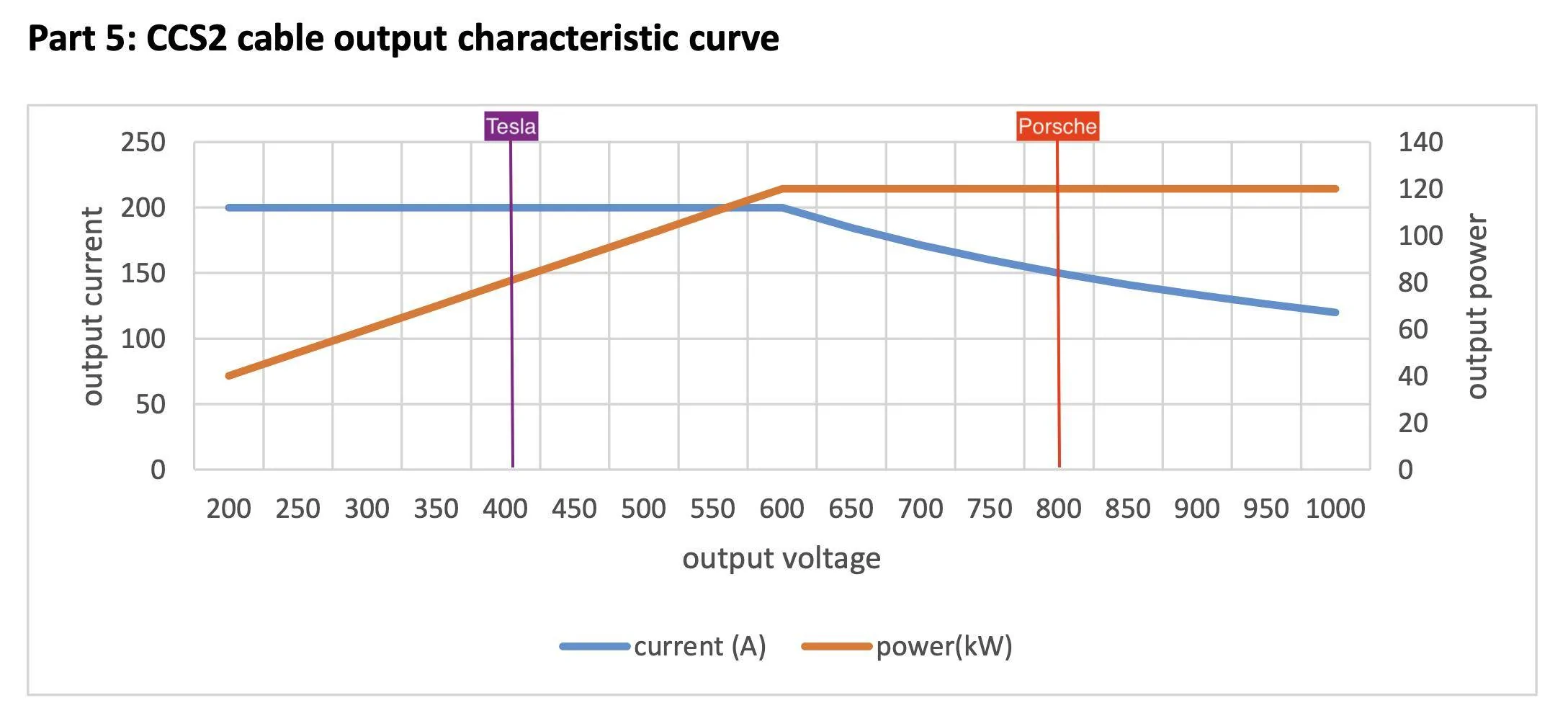
I'm still not convinced (sorry) something else is at play here.Nice digging ? but I think you're reading the current curve (blue) rather than power curve (orange)....the current drops off as expected. The unit delivers full power once its current draw is allowed to drop from its max. rated. Again expected.
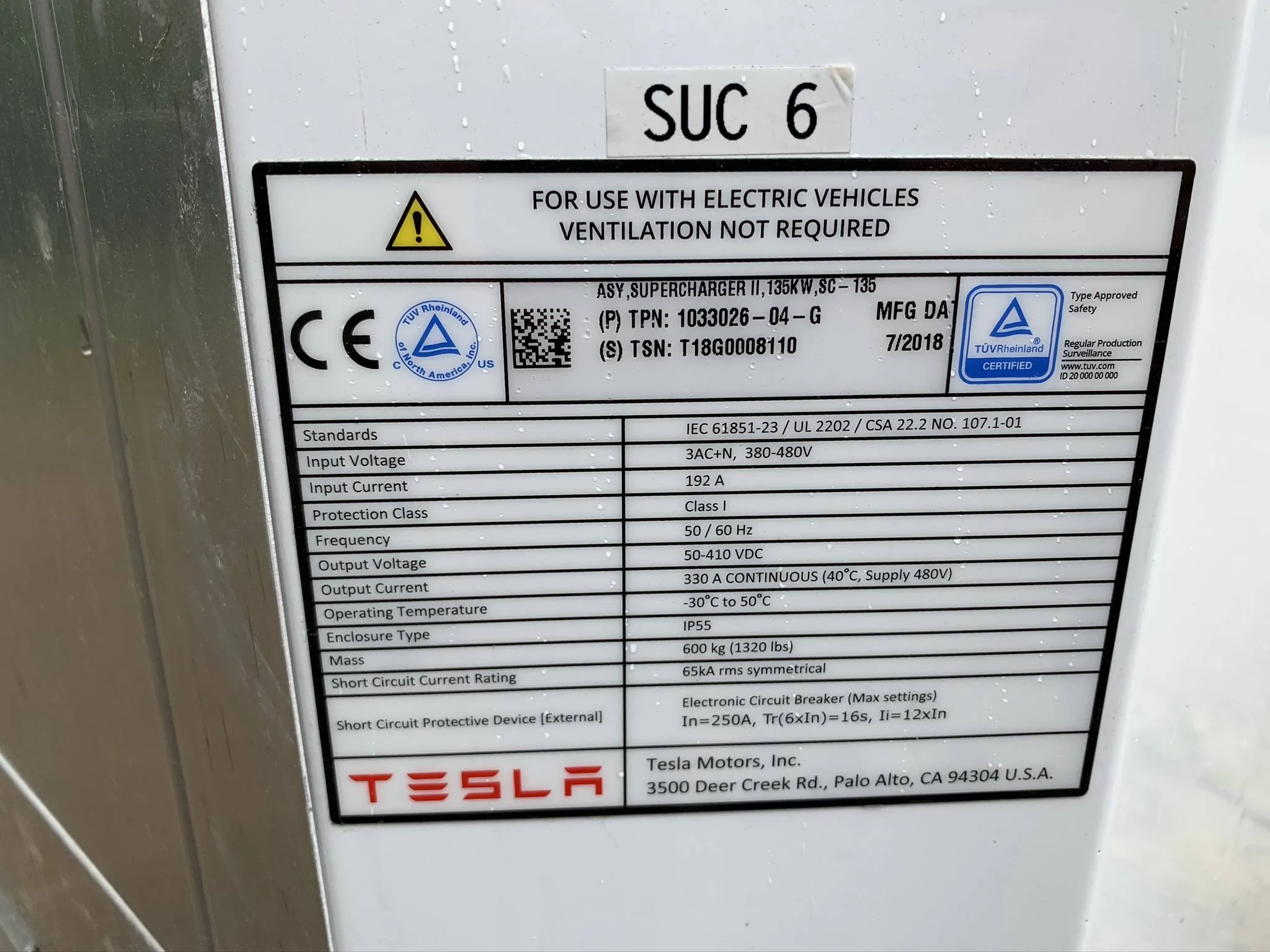
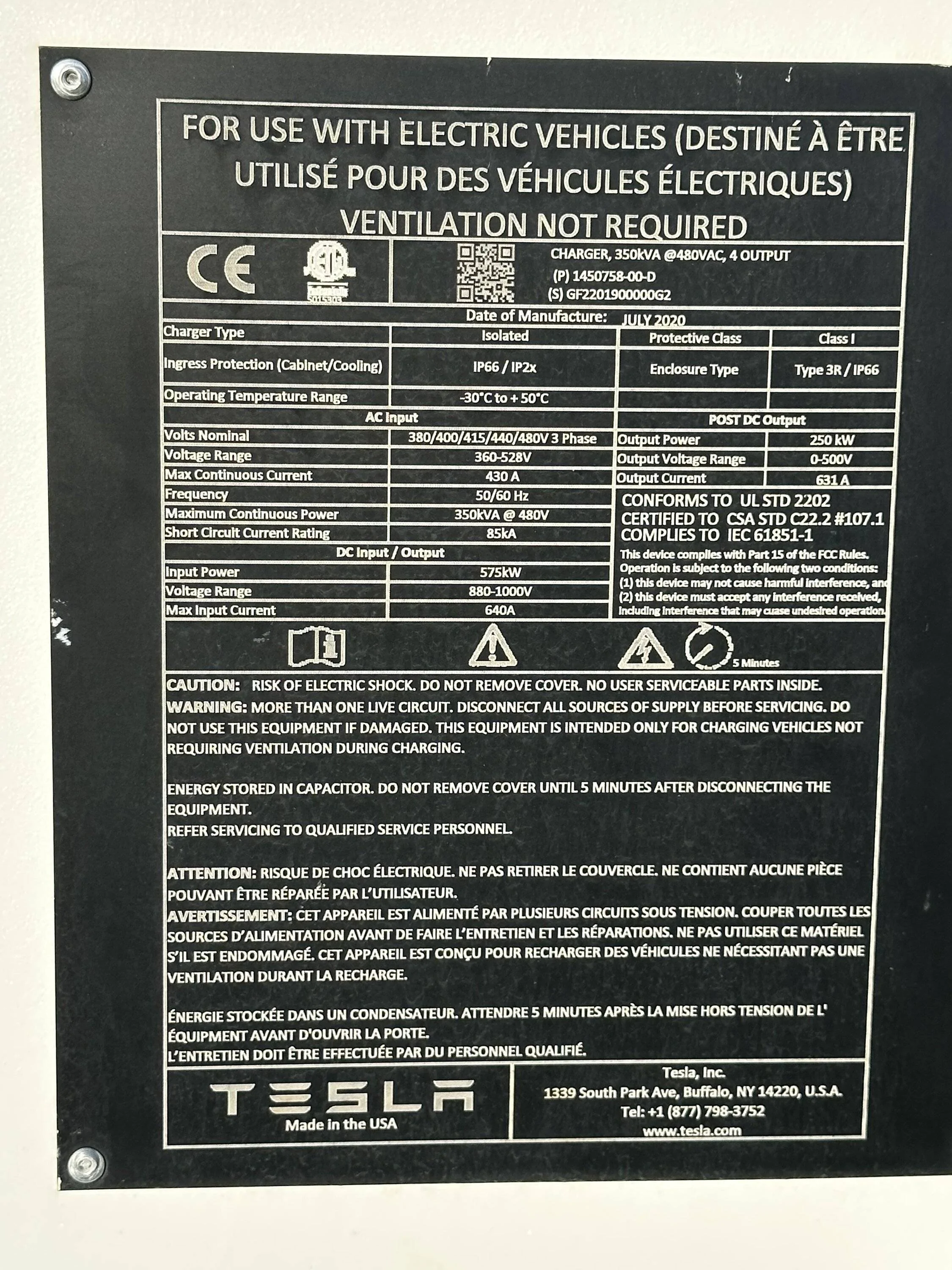
So backs up what I've been saying - this is a multi-voltage unit capable of 800V (and beyond as we can see). Not a fixed 400V unit.
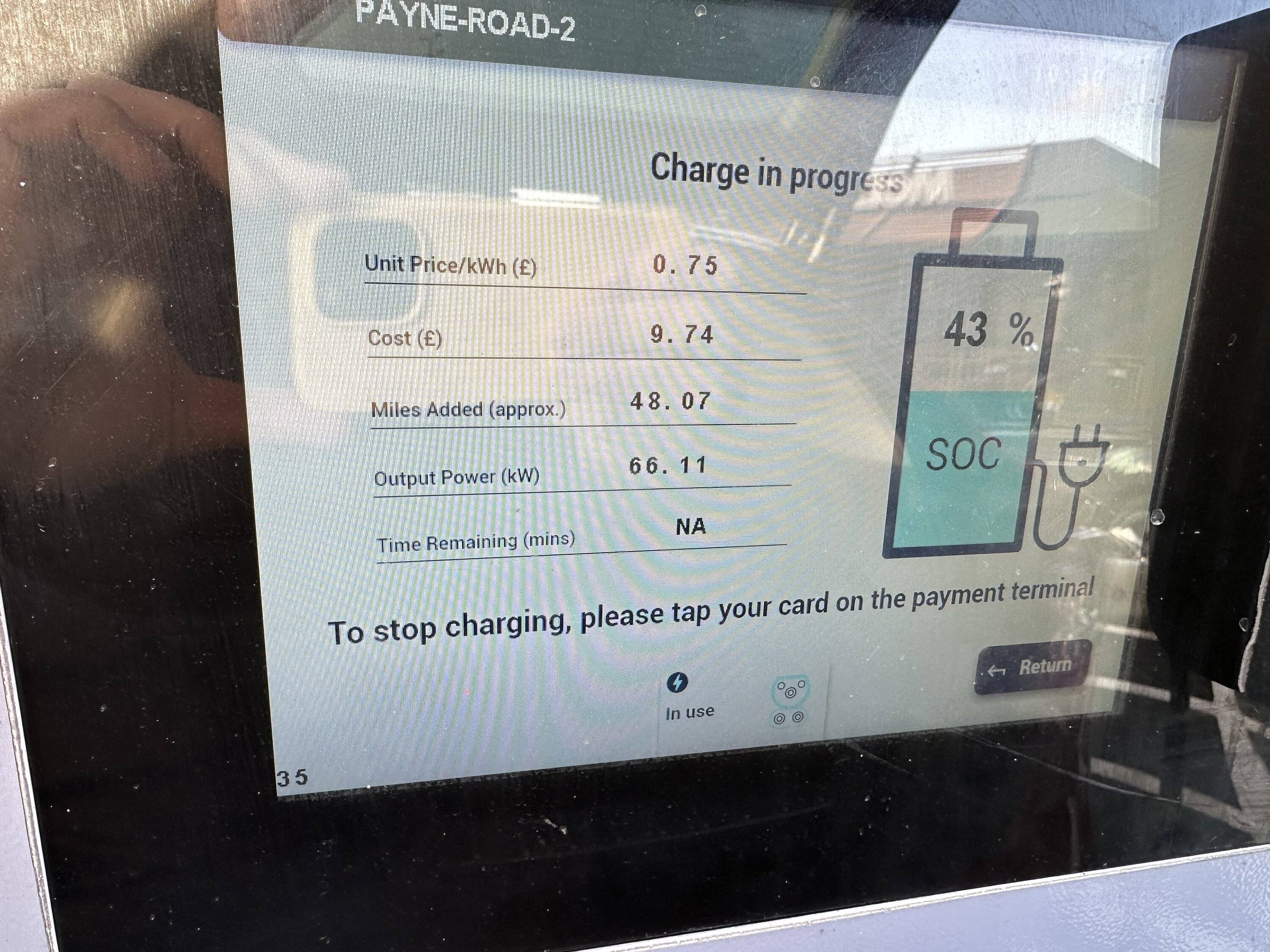
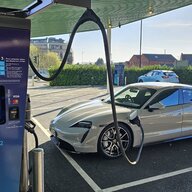
A Tesla could only pull approx. 80 kW in ideal conditions from this Instavolt unit, given it's a 400V DC charging car.
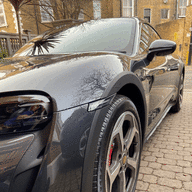
A Porsche that's pulling 115 kW must be doing it at nominally 800V or thereabouts - given we know it's an 800V architecture. Its not going to magically drop to 600V.
The Porsche 150kW on-board DC-DC converter (booster) option is a red herring on this Instavolt scenario. It makes no odds.

Why would Instavolt (Costa, McDonalds, others) be rolling out these units since 2019 where only a single brand of vehicle at that time could take advantage of it - Taycan has been the only 800v vehicle until Kia came along. These vehicles would have been a trickle in terms of volume.
I suspect some wizardry happens to up the output to help reach the target outputs quoted otherwise what is the point of these units - they're at the slow end of fast and not many customers able to take full advantage.
Worth probing Instavolt again?
Worth getting folk with / without the DC converter to try these units to satisfy our collective curiosity as we are still a little in the dark on that front too.
Sponsored